
From Concept Models to Production-Ready Products
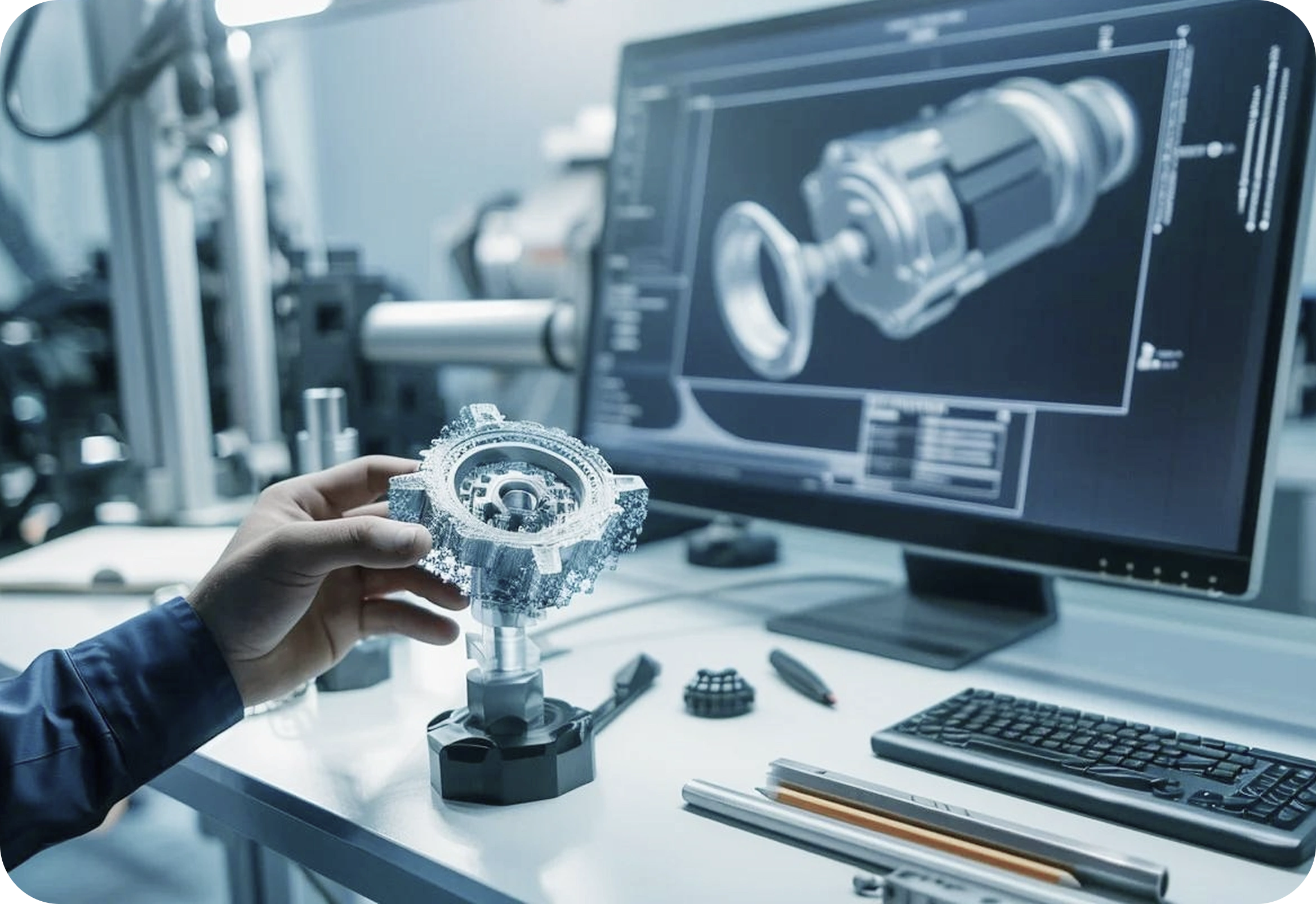
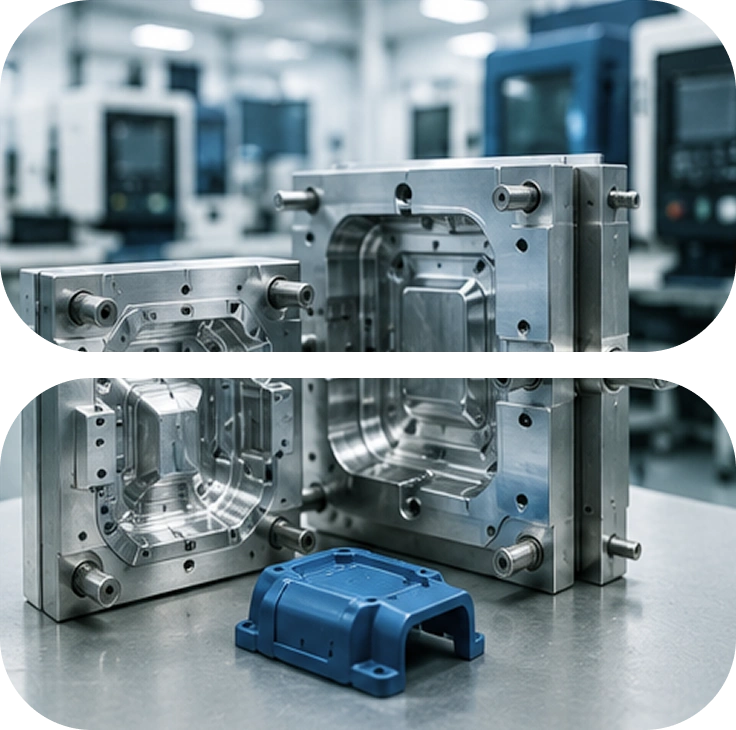
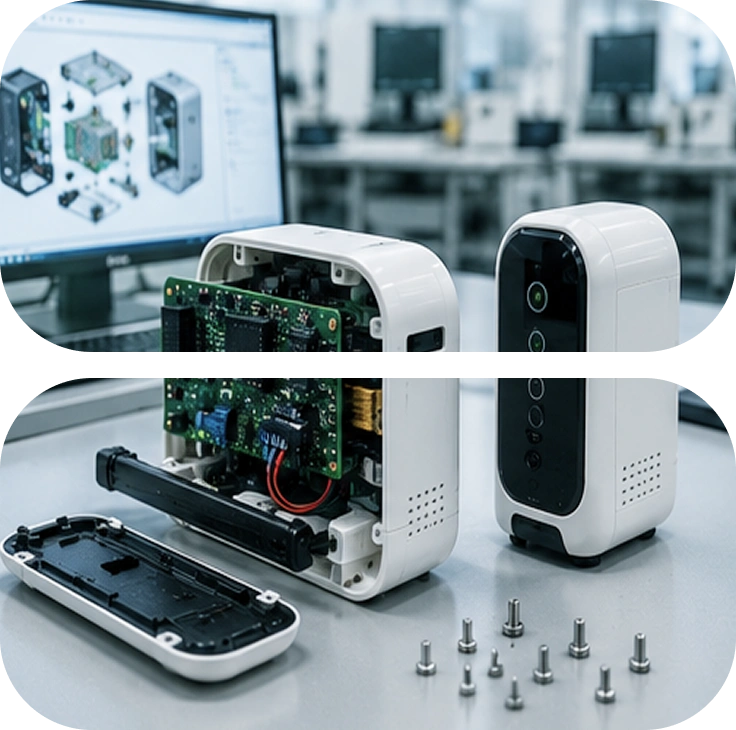
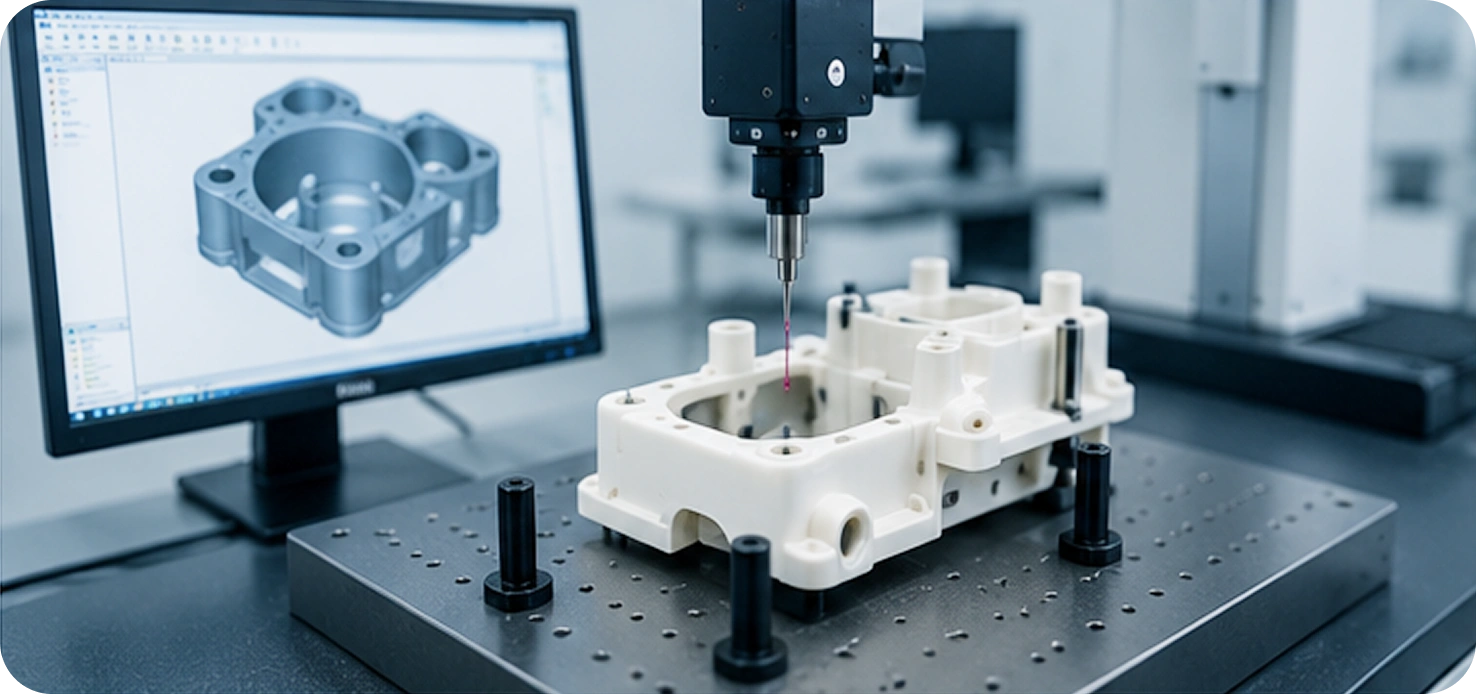
Bring product ideas to life with advanced rapid prototyping, soft tooling, precision machining, and engineering validation. Whether you need proof-of-concept models, functional prototypes, bridge production, or complete product validation, Aktis delivers high-quality solutions that reduce development time, lower costs, and improve manufacturing readiness.
Our Prototyping & Testing Capabilities
Accelerating digital transformation with AI-powered applications,
intelligent automation, cloud-native solutions,
and enterprise IT services.
Our Prototyping & Testing Capabilities
Accelerating digital transformation
with AI-powered applications
Comprehensive Prototype & Validation Solutions
AI-powered industrial solutions that improve operational efficiency, enhance quality,
Comprehensive Prototype & Validation Solutions
AI-powered industrial solutions that improve operational efficiency, enhance quality,
and enable smarter, data-driven manufacturing.
Send Us A Message
Frequently Asked Questions
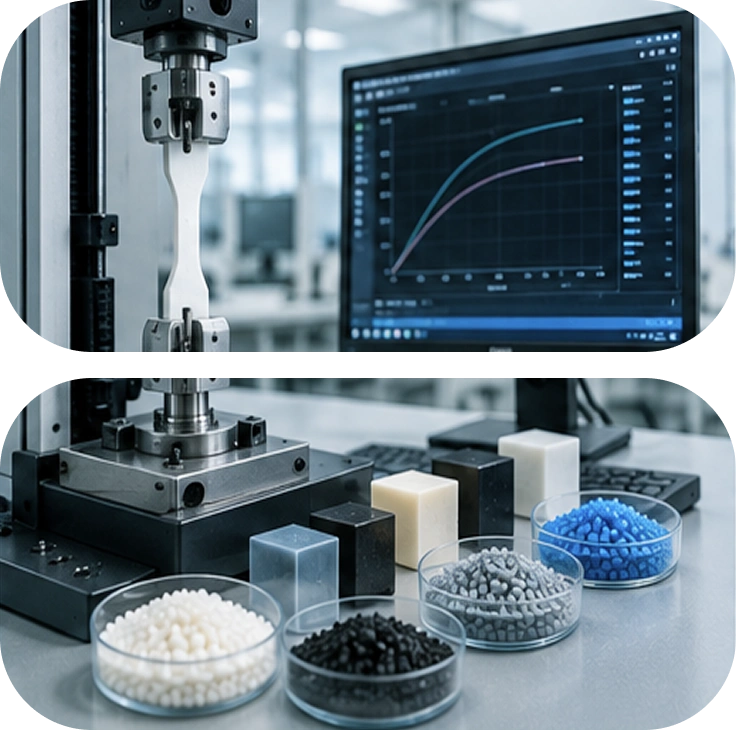
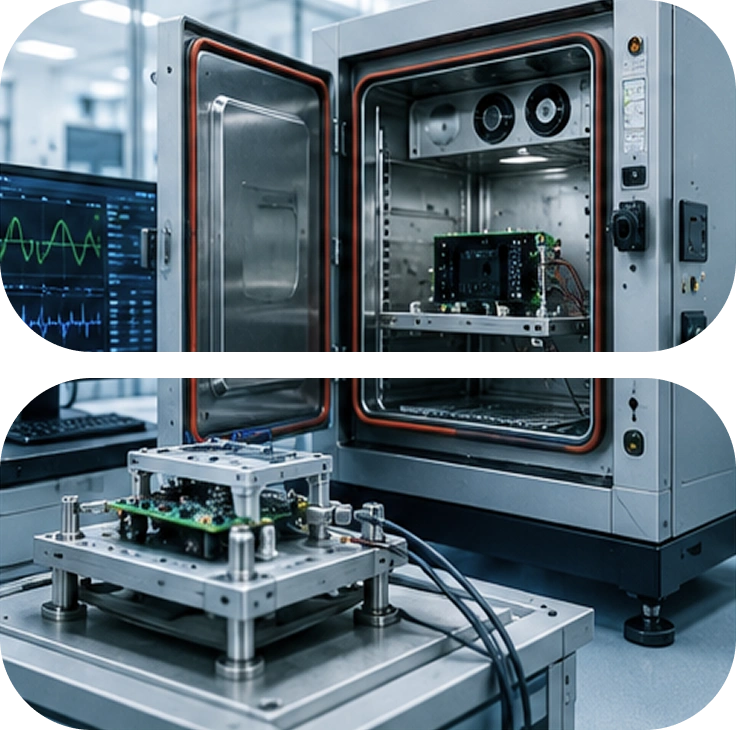
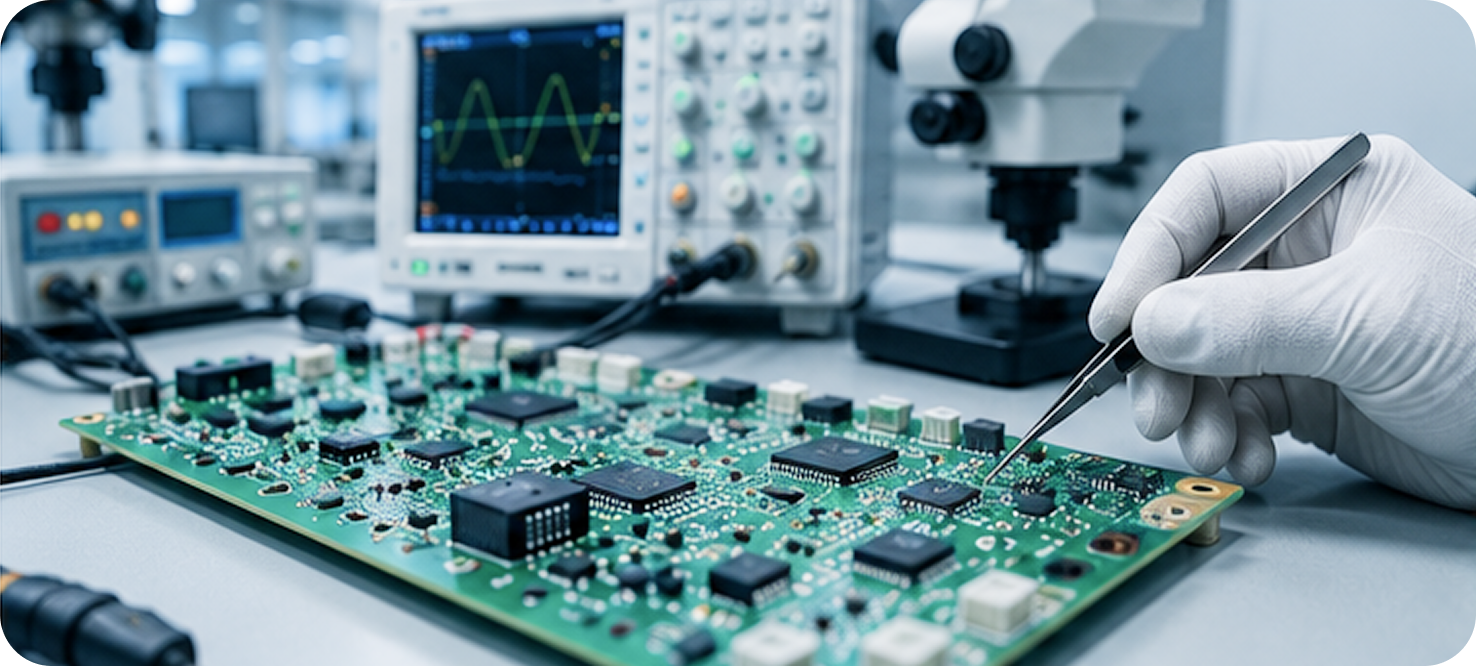
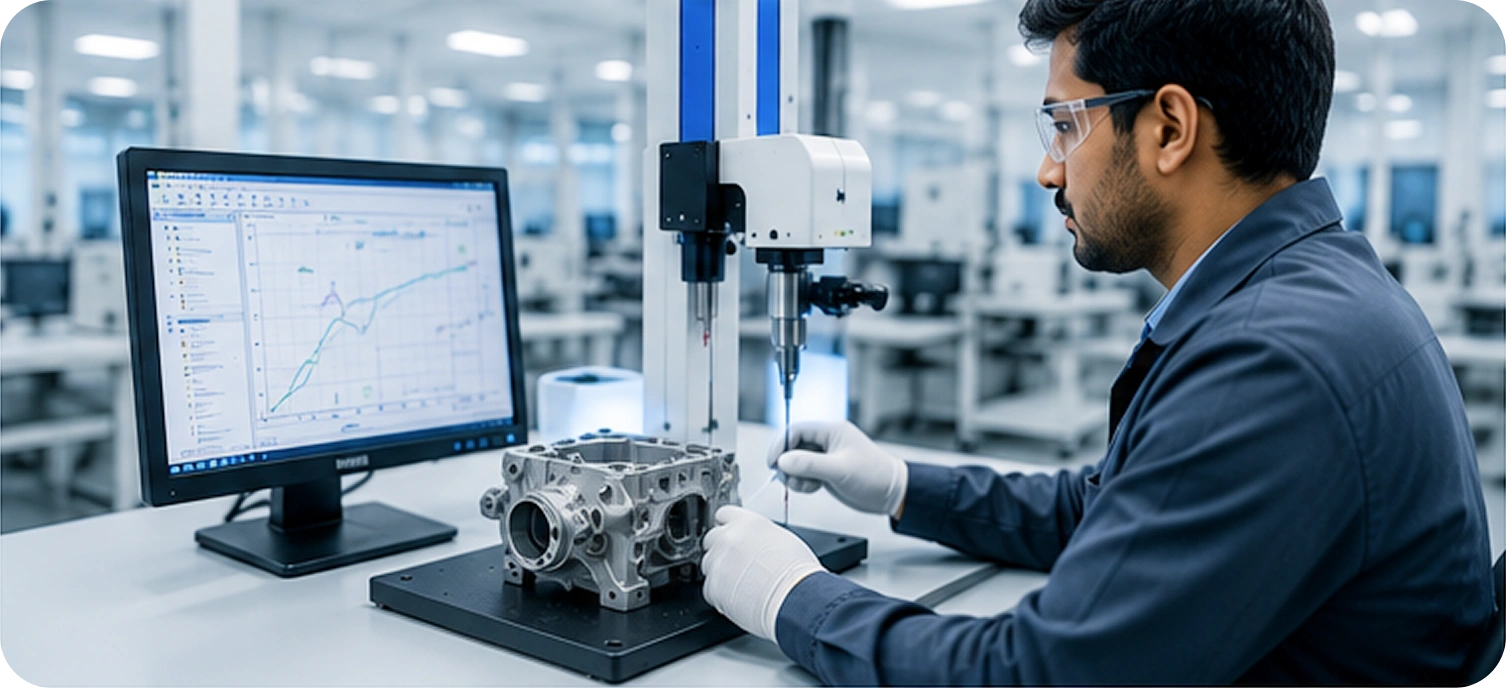
Aktis combines advanced prototyping technologies, precision manufacturing, engineering validation, material testing, and production expertise to deliver high-quality prototypes that accelerate innovation, improve manufacturing readiness, and support seamless transition to production.
Rapid prototyping enables engineers to quickly evaluate fit, form, function, manufacturability, and performance, allowing design improvements to be made early in the development cycle. This reduces engineering iterations, prototype costs, and overall time-to-market.
Rapid prototyping focuses on validating product concepts, functionality, and design iterations, while low-volume manufacturing produces production-quality parts for pilot builds, market testing, bridge production, and pre-production validation before mass manufacturing.
Our rapid prototyping solutions support automotive, industrial equipment, medical devices, consumer products, electronics, aerospace, semiconductor, and heavy engineering industries by accelerating product development and engineering validation.
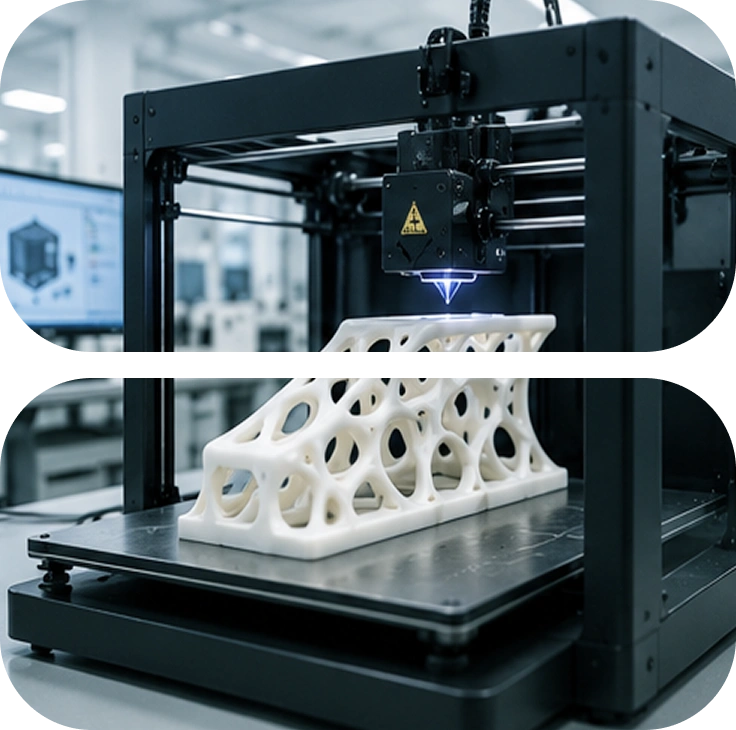
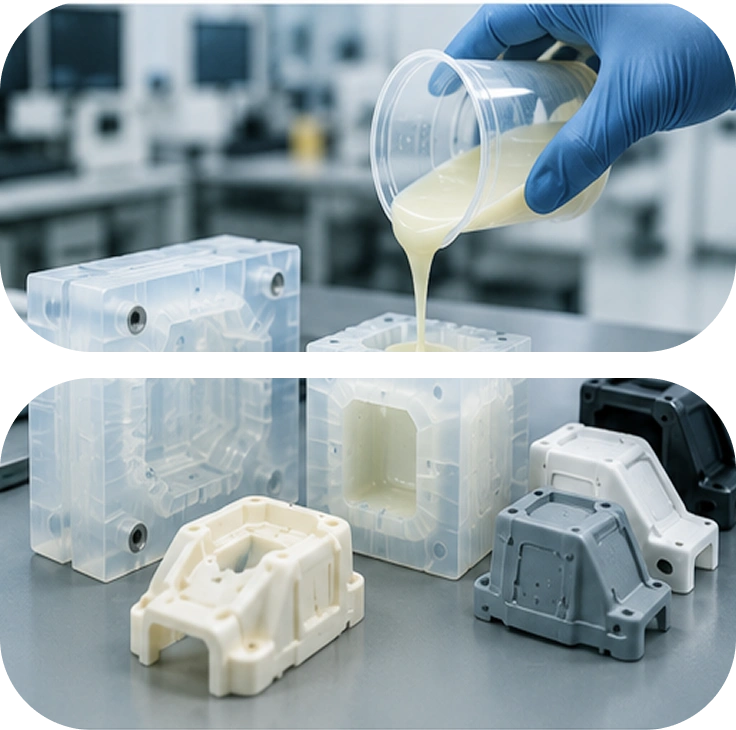
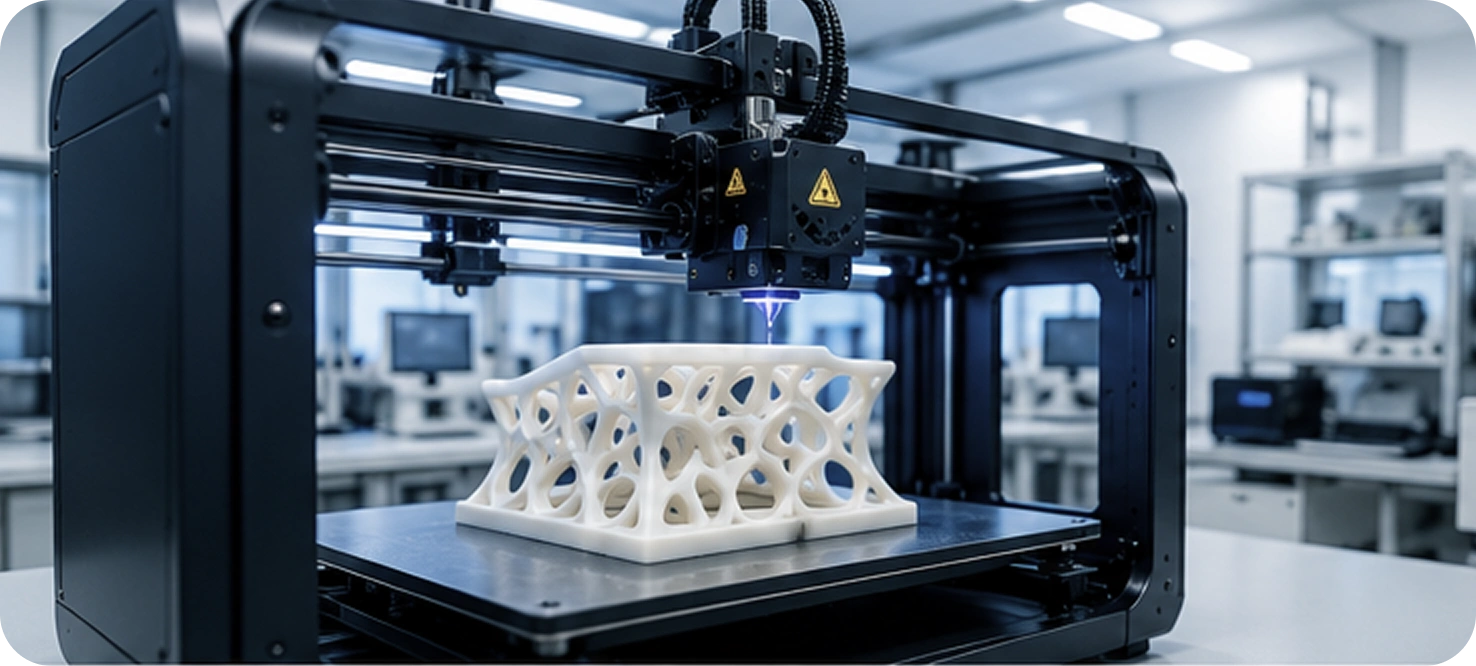
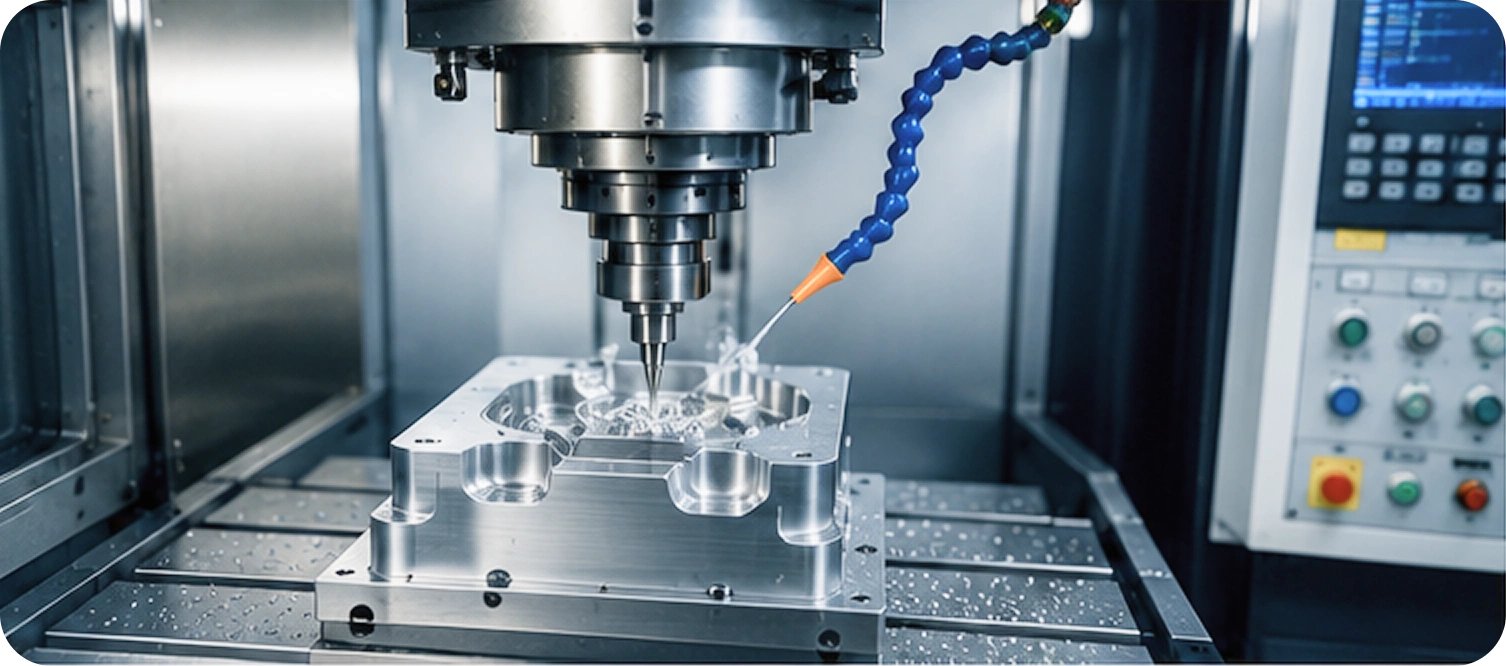
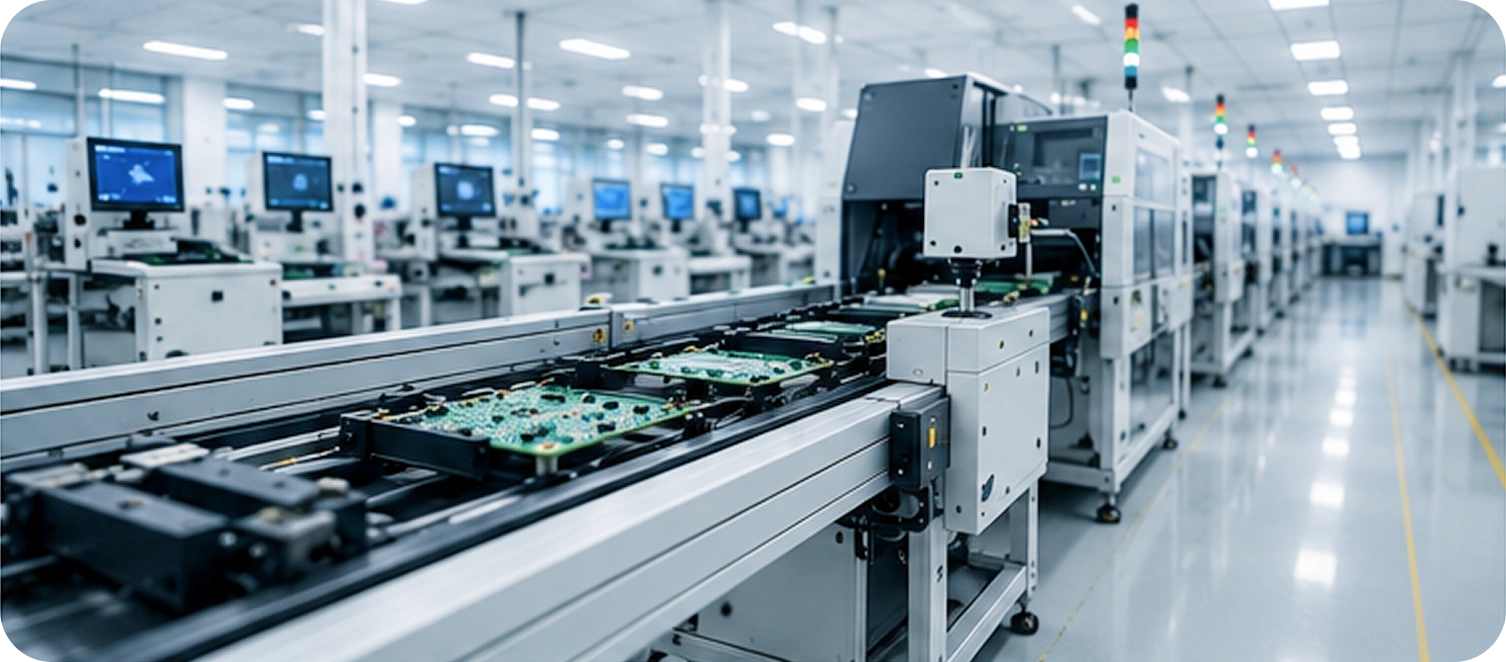
Aktis offers end-to-end rapid prototyping services, including 3D printing, CNC machining, vacuum casting, silicone moulding, soft tooling, complete product prototyping, material testing, life-cycle testing, and low-volume manufacturing for production validation.
Rapid prototyping is the process of quickly creating physical prototypes using technologies such as 3D printing, CNC machining, vacuum casting, and soft tooling. It enables businesses to validate designs, test functionality, reduce development risks, and accelerate product commercialization.
AI-enabled services use Artificial Intelligence, Machine Learning, and automation to optimize business processes, improve decision-making, reduce manual effort, and increase operational efficiency.
AI automates repetitive processes, minimizes human errors, optimizes resource utilization, reduces downtime, and improves productivity, leading to significant cost savings.
Yes. AI solutions can integrate with CAD, ERP, PLM, CRM, MES, IoT platforms, and other enterprise applications to create connected and intelligent workflows.
Computer Vision uses AI-powered image analysis to detect defects, verify dimensions, identify anomalies, and automate quality inspection with greater speed and accuracy.
Yes. Generative AI assists engineers by generating designs, creating technical documentation, automating code, summarizing engineering data, and accelerating product development.
Implementation timelines vary based on project complexity, data availability, and system integration requirements. Most AI projects begin with an assessment and a phased deployment approach.


