

Engineering Deliverables Automation
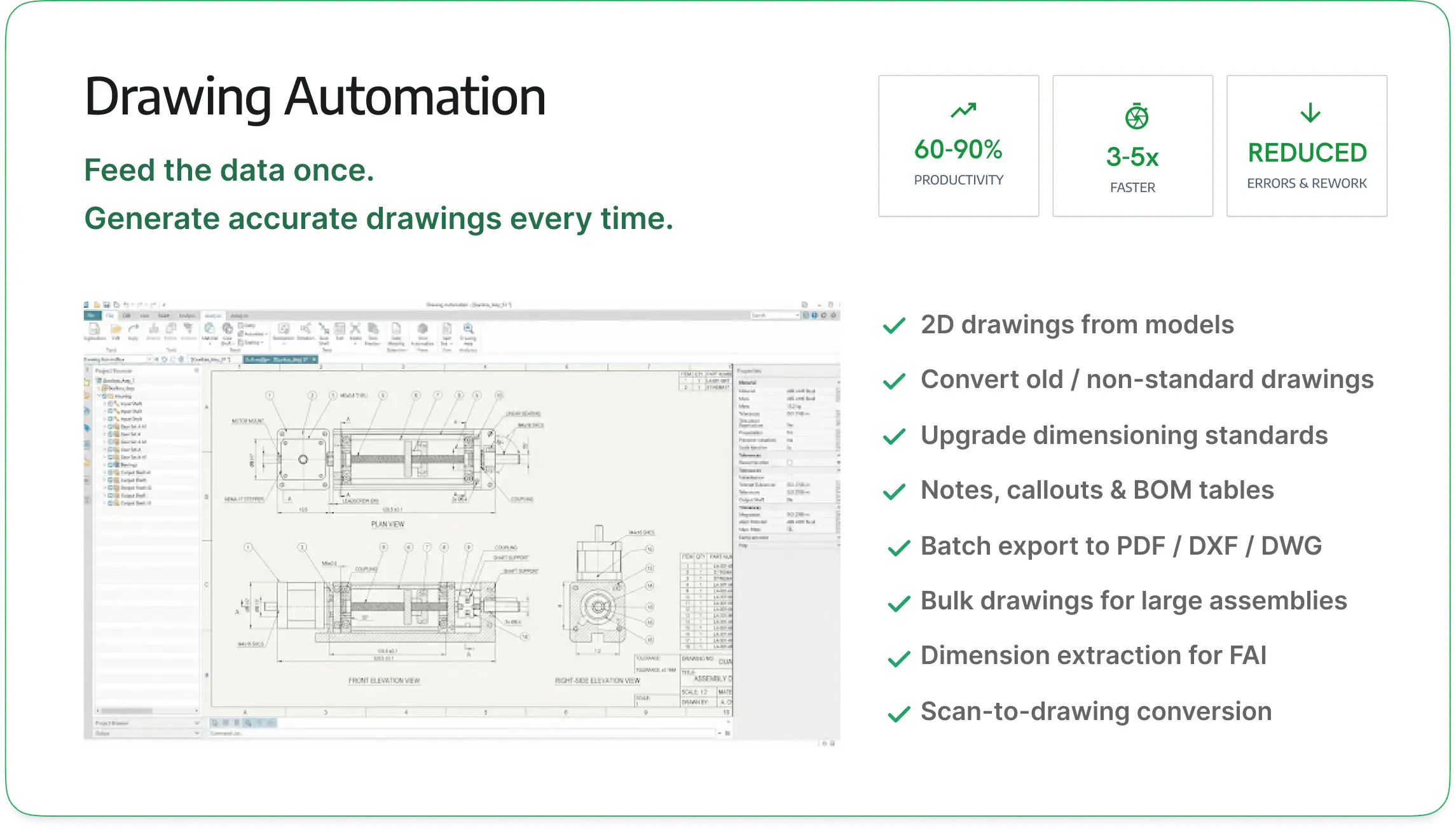
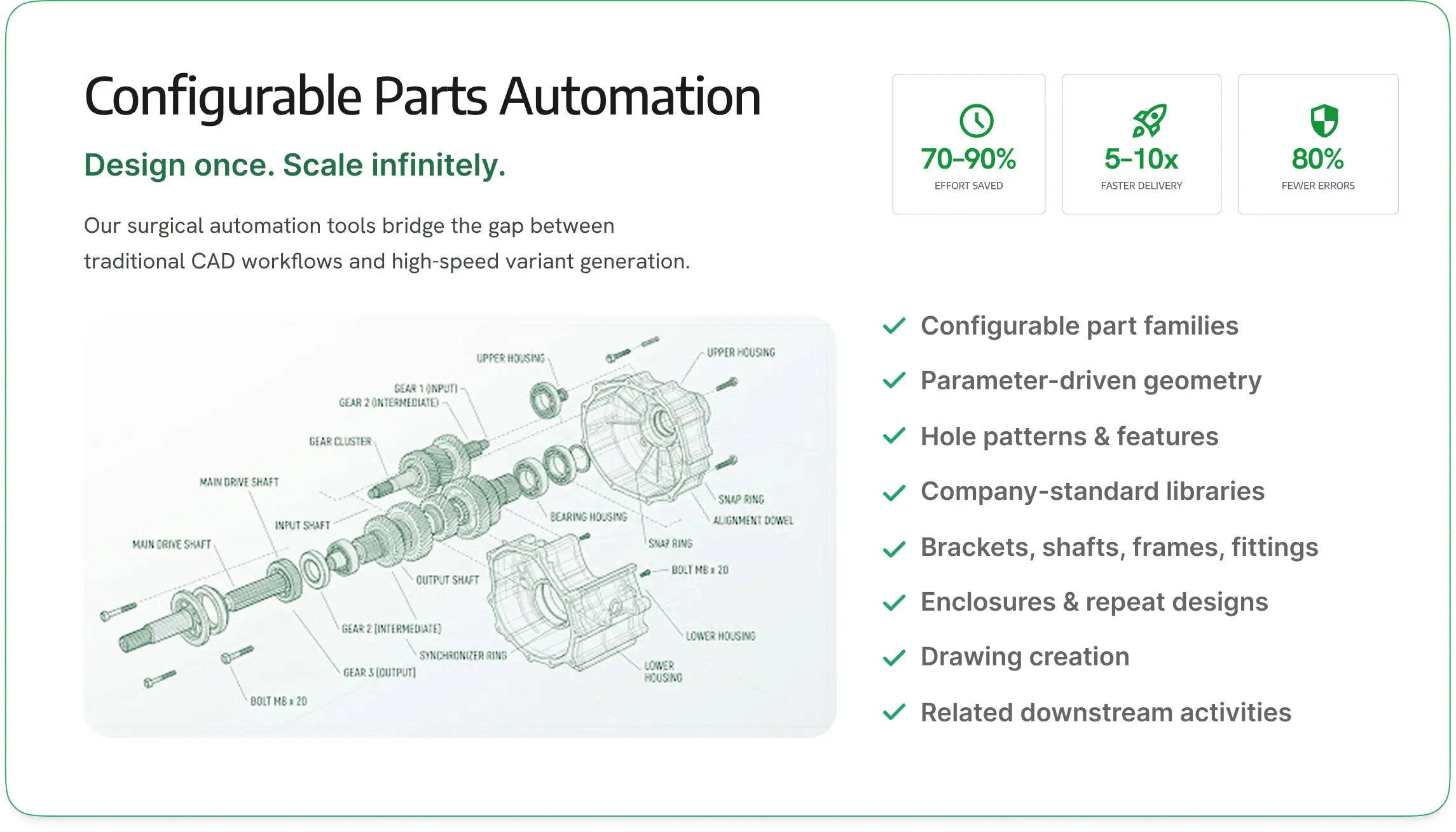
For configurable products, a single design change can require updates across multiple drawings. Repeating the same drafting tasks project after project not only consumes engineering time but also increases the likelihood of documentation errors.
We automate drawing creation, title block population, dimension updates, annotations, and sheet generation directly from CAD models. This enables faster drawing releases, greater consistency across documentation, and less time spent on routine drafting activities.
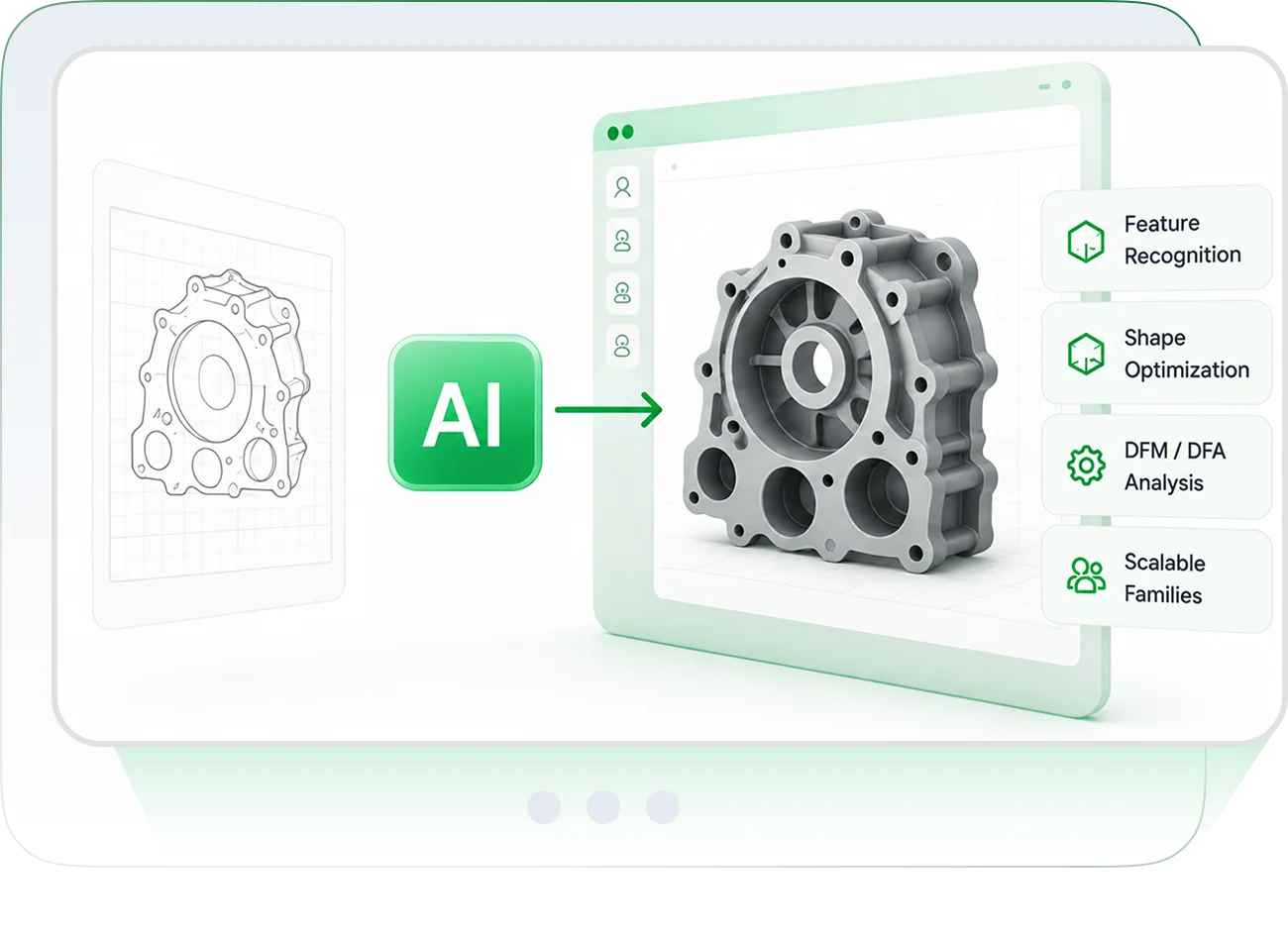
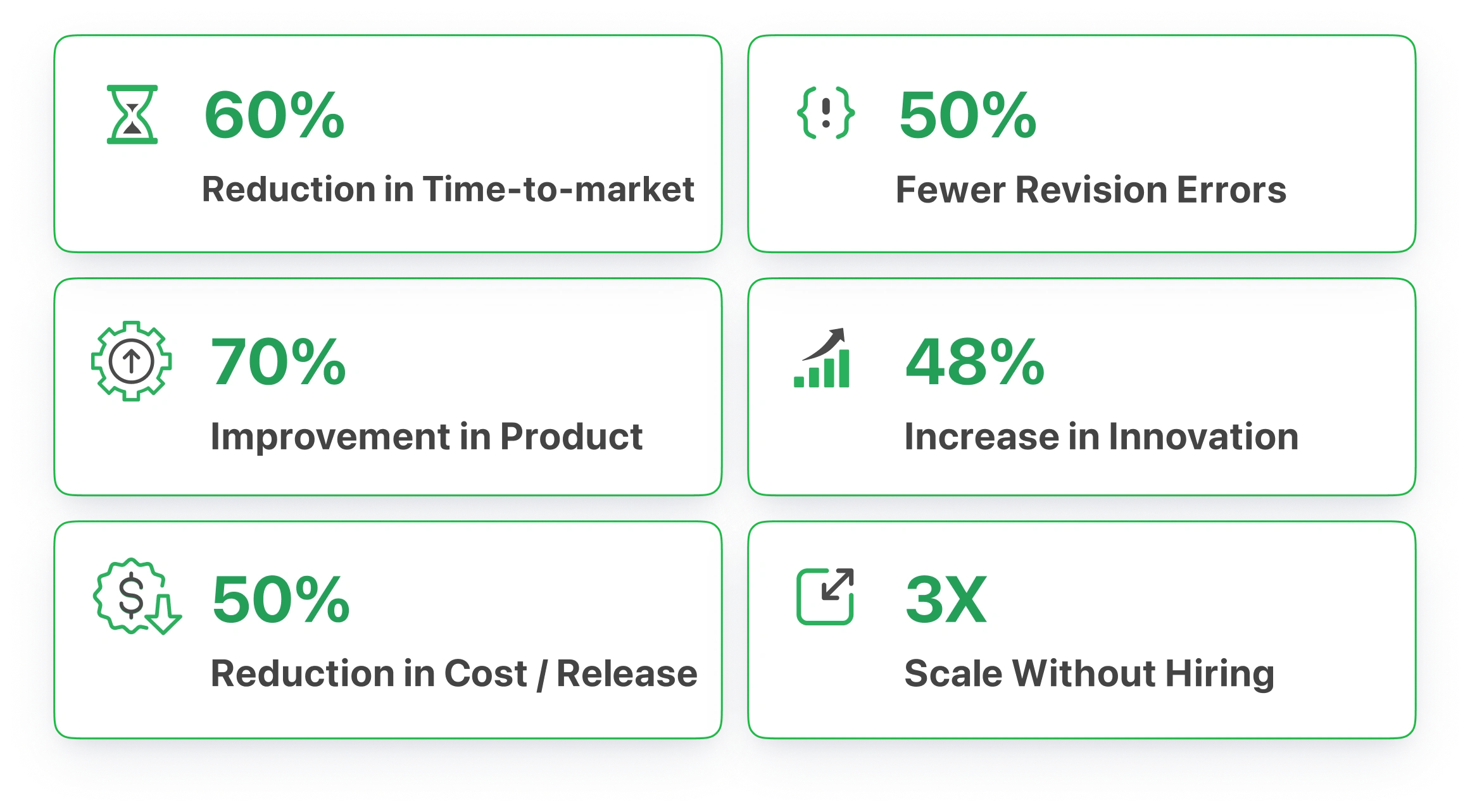
Business Impact Through CAD Automation
Achieve measurable business impact with CAD automation by
accelerating innovation, and reducing costs
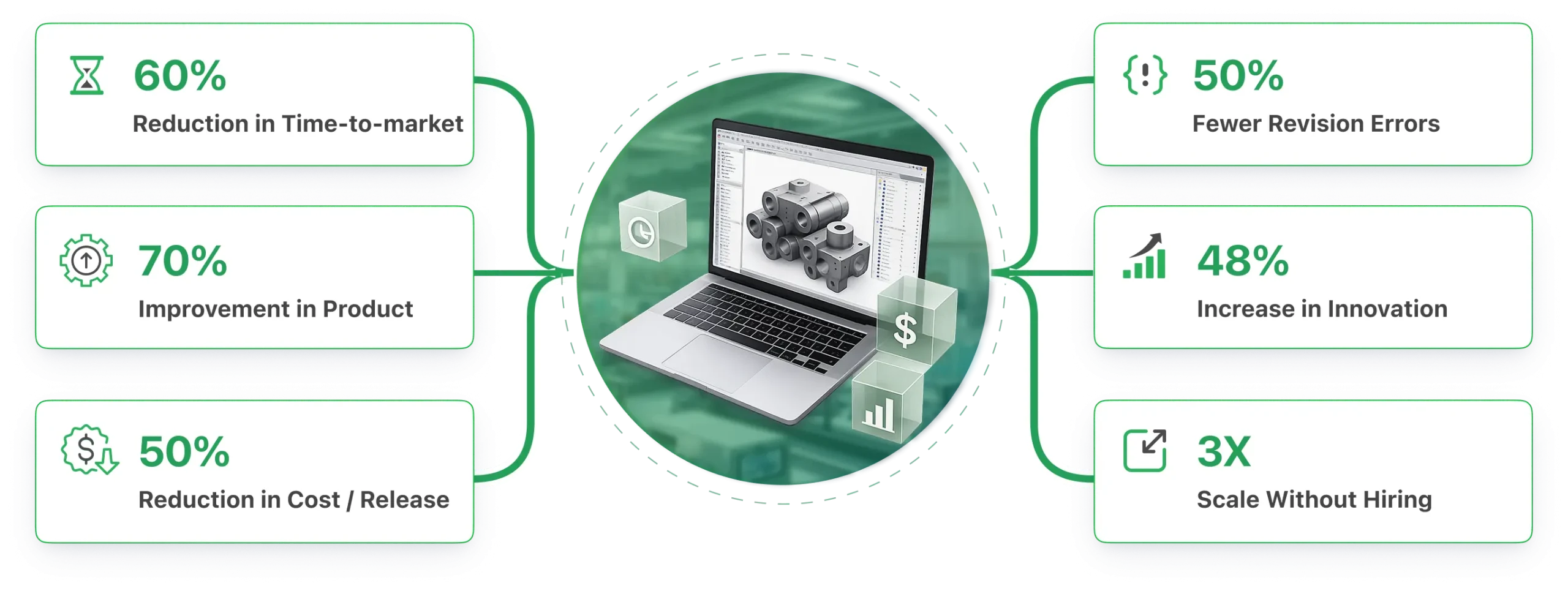
Business Impact Through CAD Automation
Achieve measurable business
impact by Accelerating innovation,
and reducing costs
Reimagining Engineering Design
Combining API-enabled tools with AI capabilities to
deliver smarter, faster & more consistent design outcomes.
Reimagining Engineering Design
Combining API-enabled tools with AI capabilities to deliver smarter, faster & more consistent design outcomes.
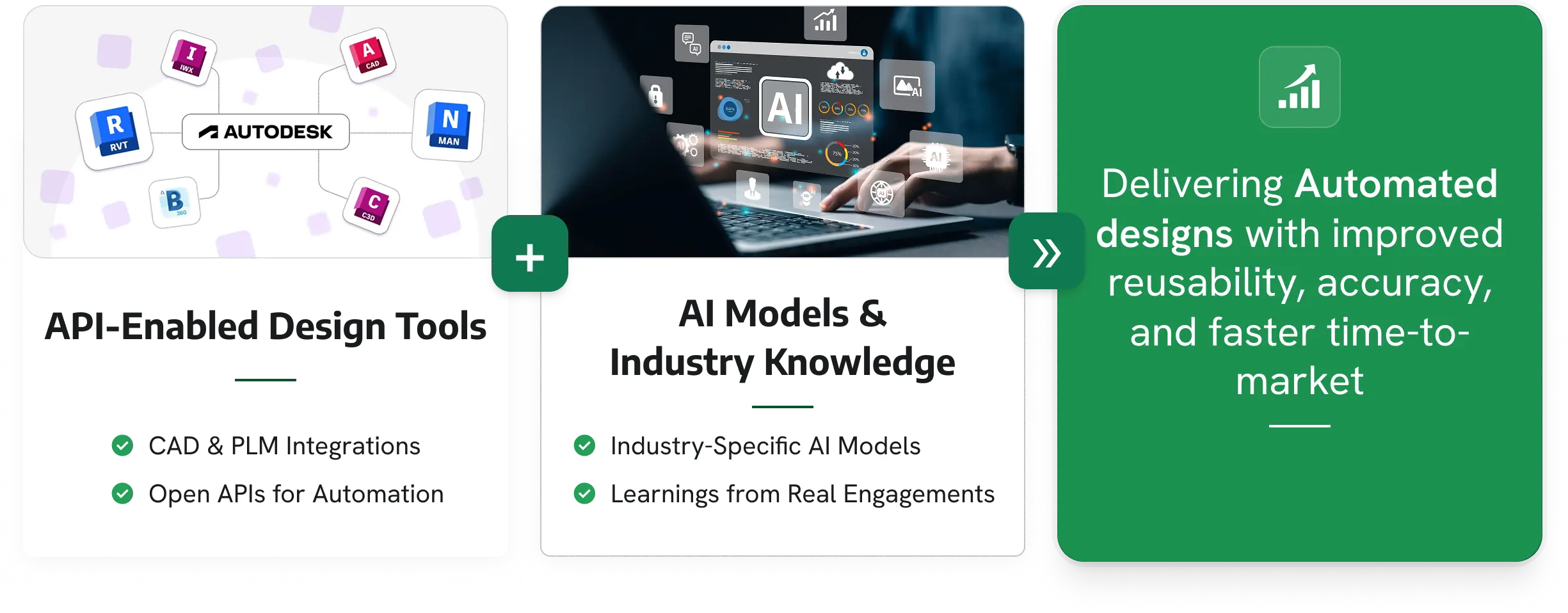
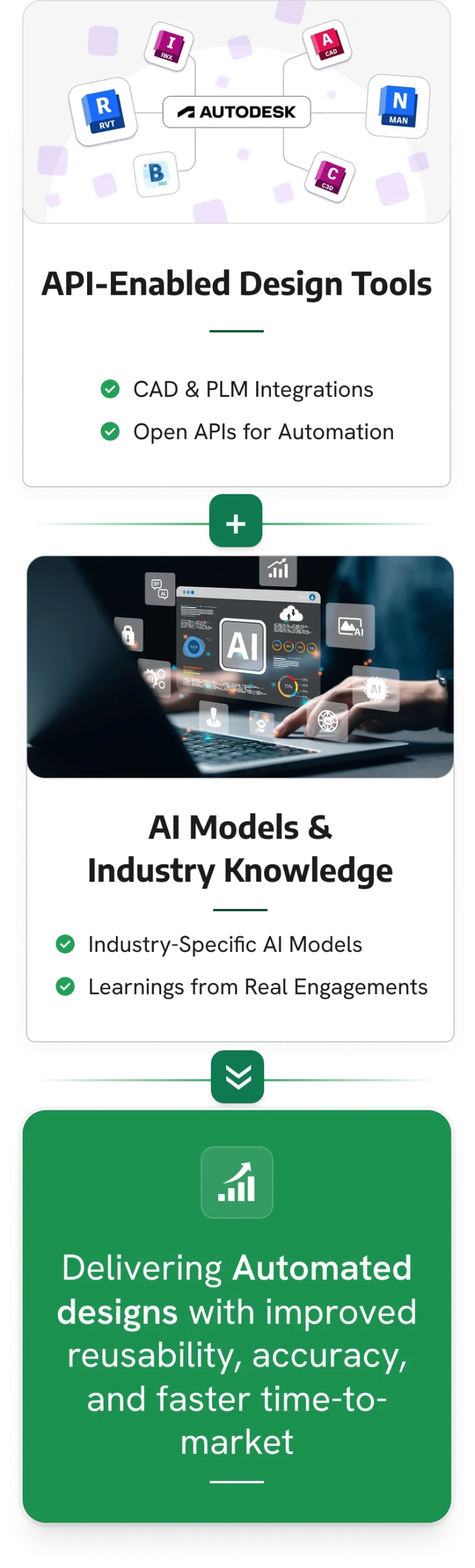
Unified Engineering Automation
API-driven automation with AI for smarter engineering workflows.
API-Based Automation
Unified Engineering Automation
API-driven automation with AI for
smarter engineering workflows.
API-Based Automation
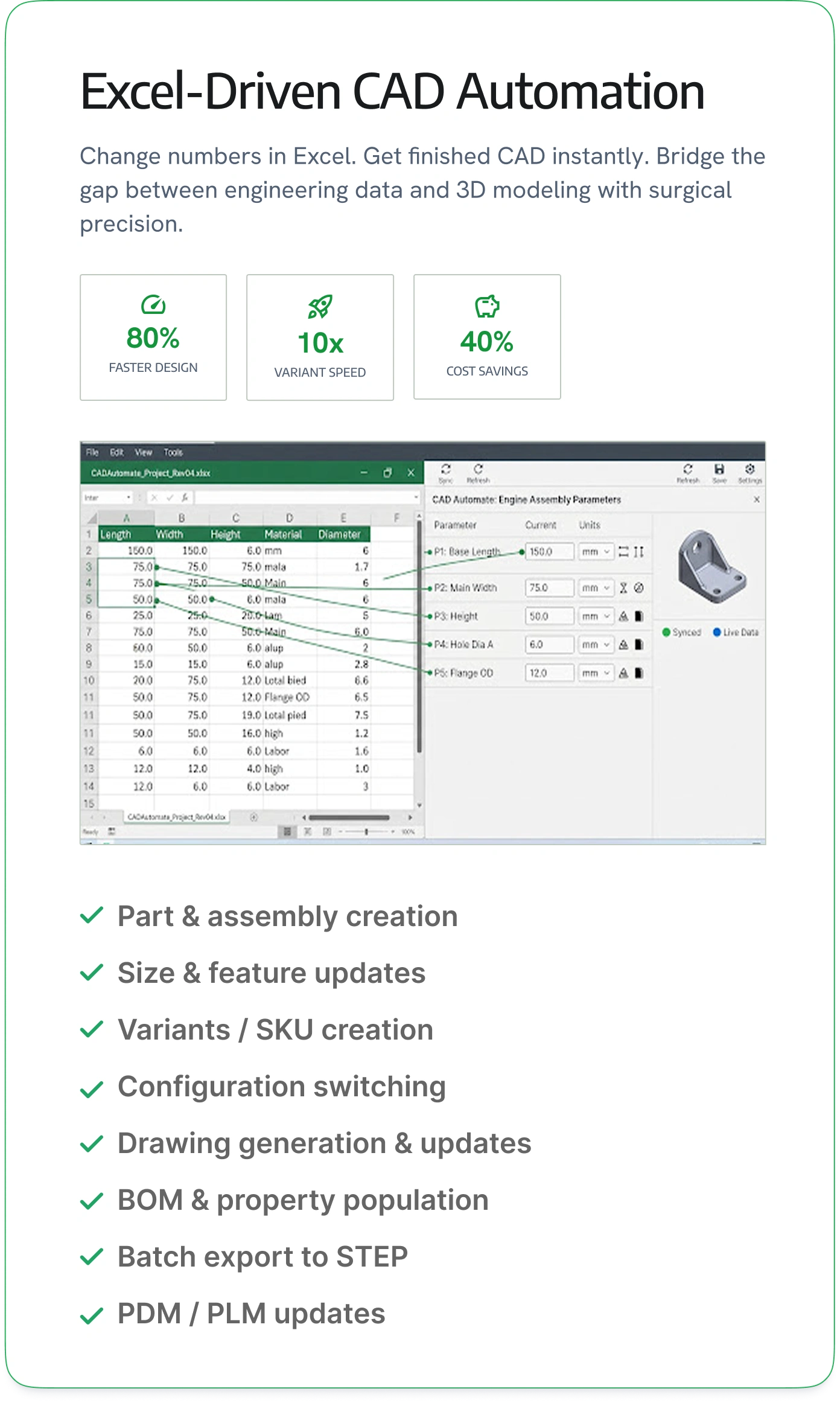
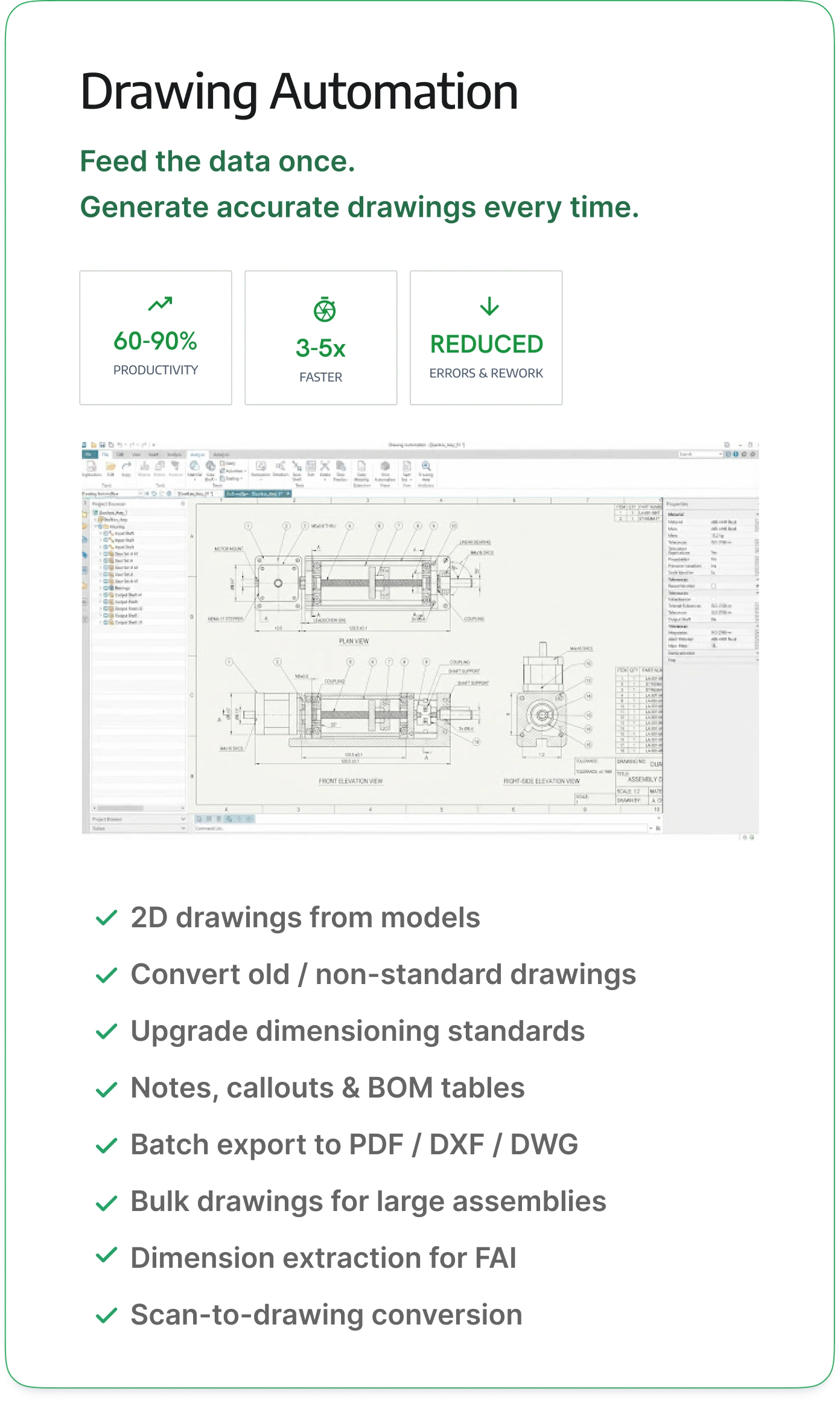
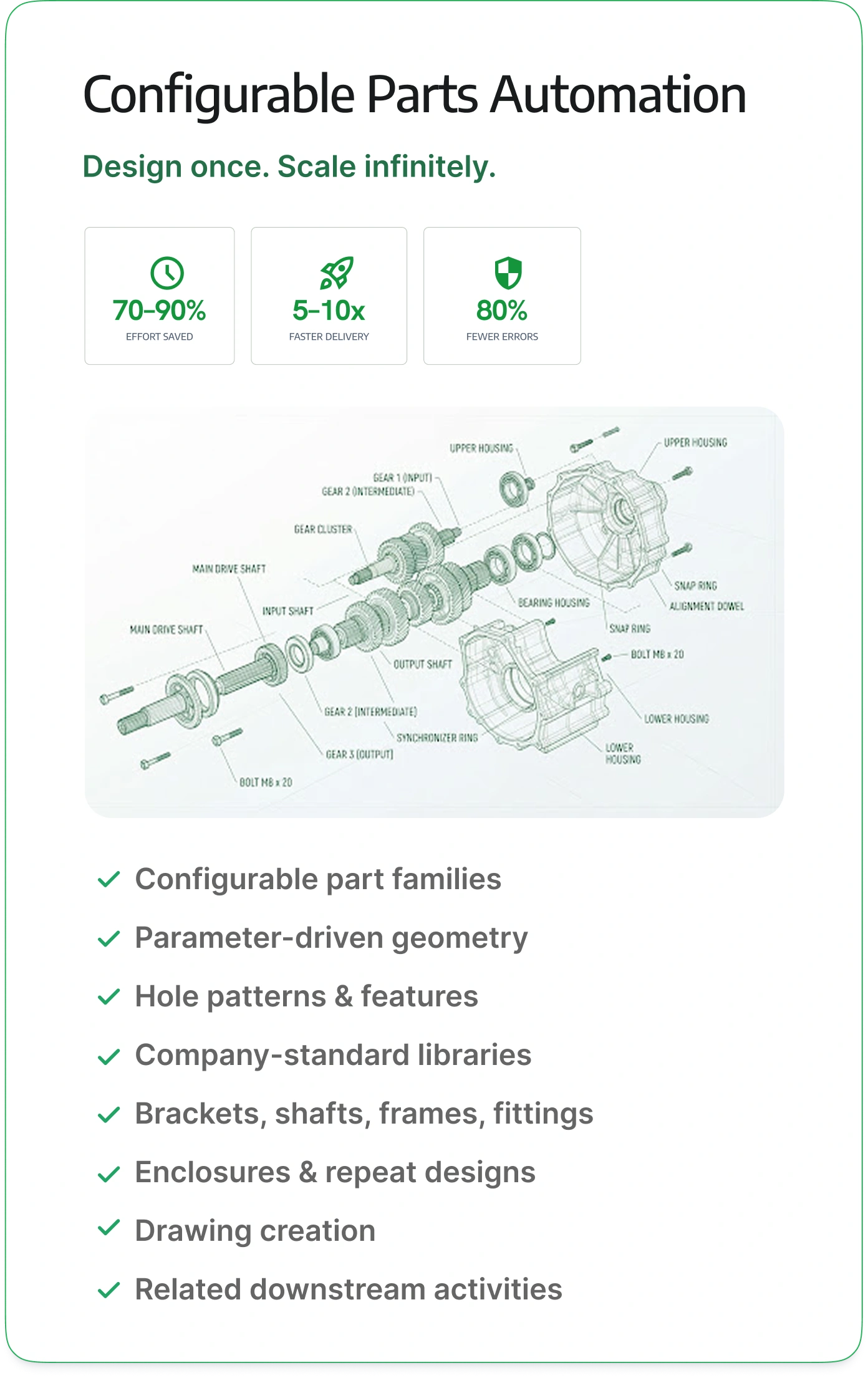
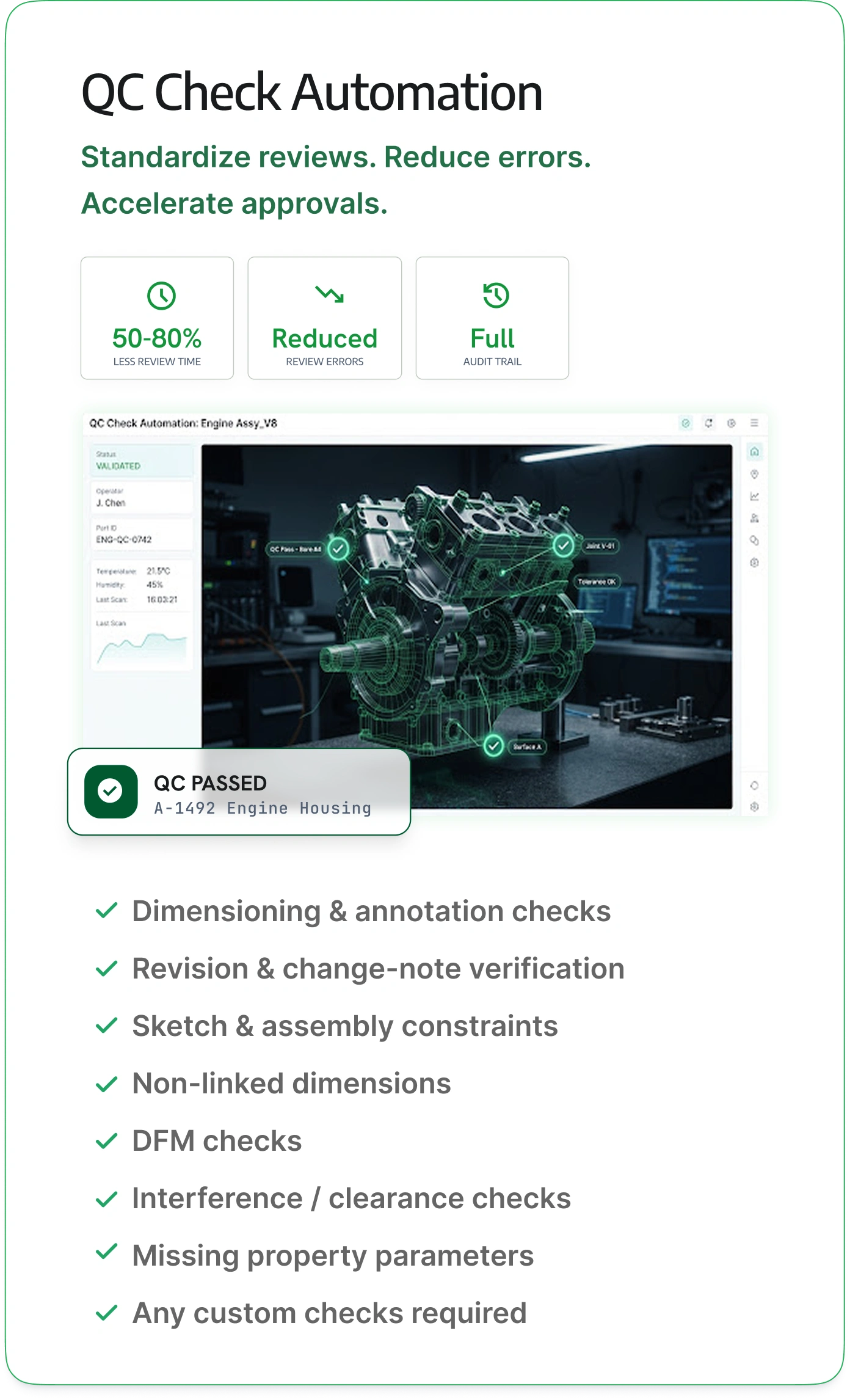
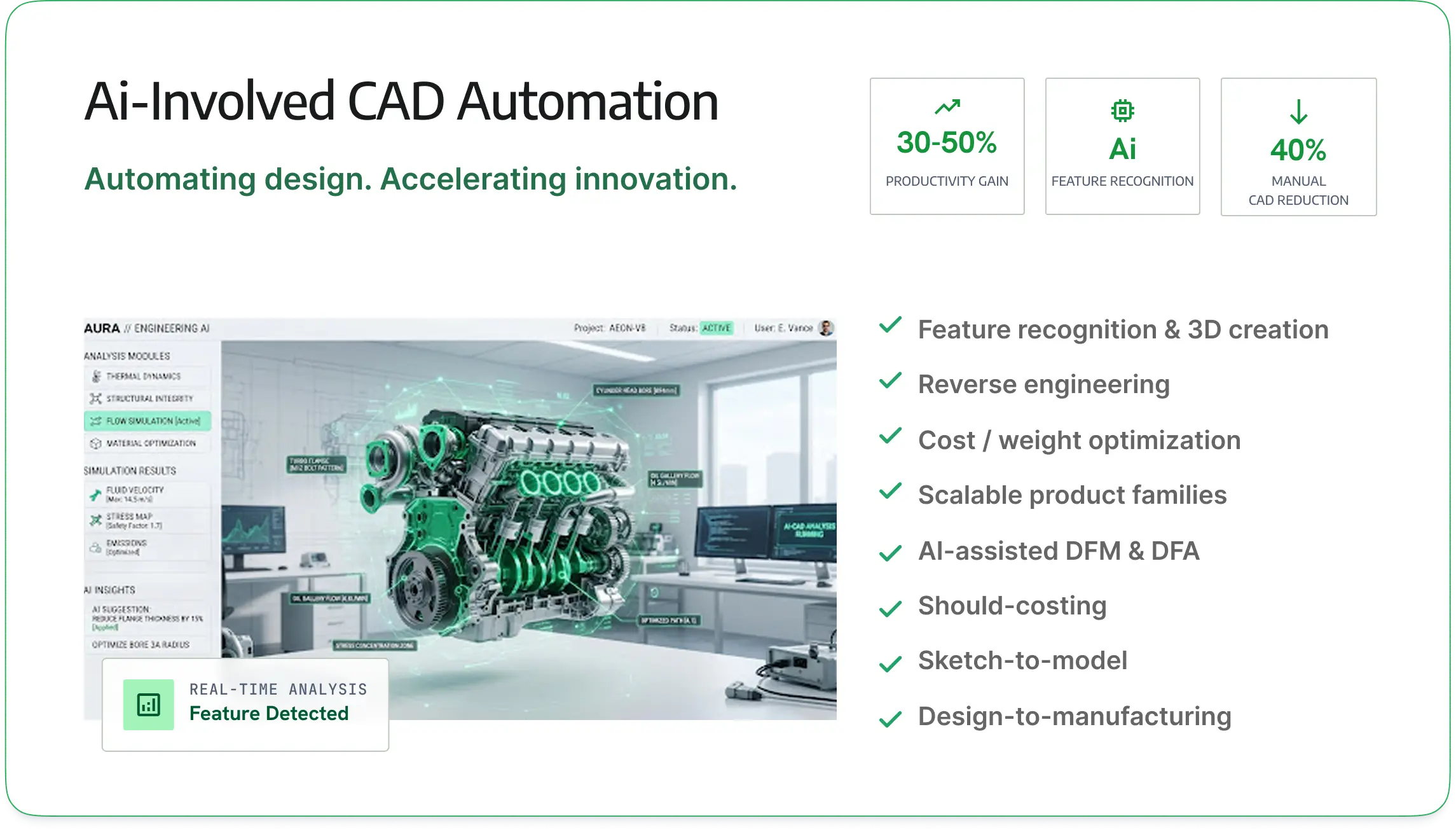
AI-Powered Automation
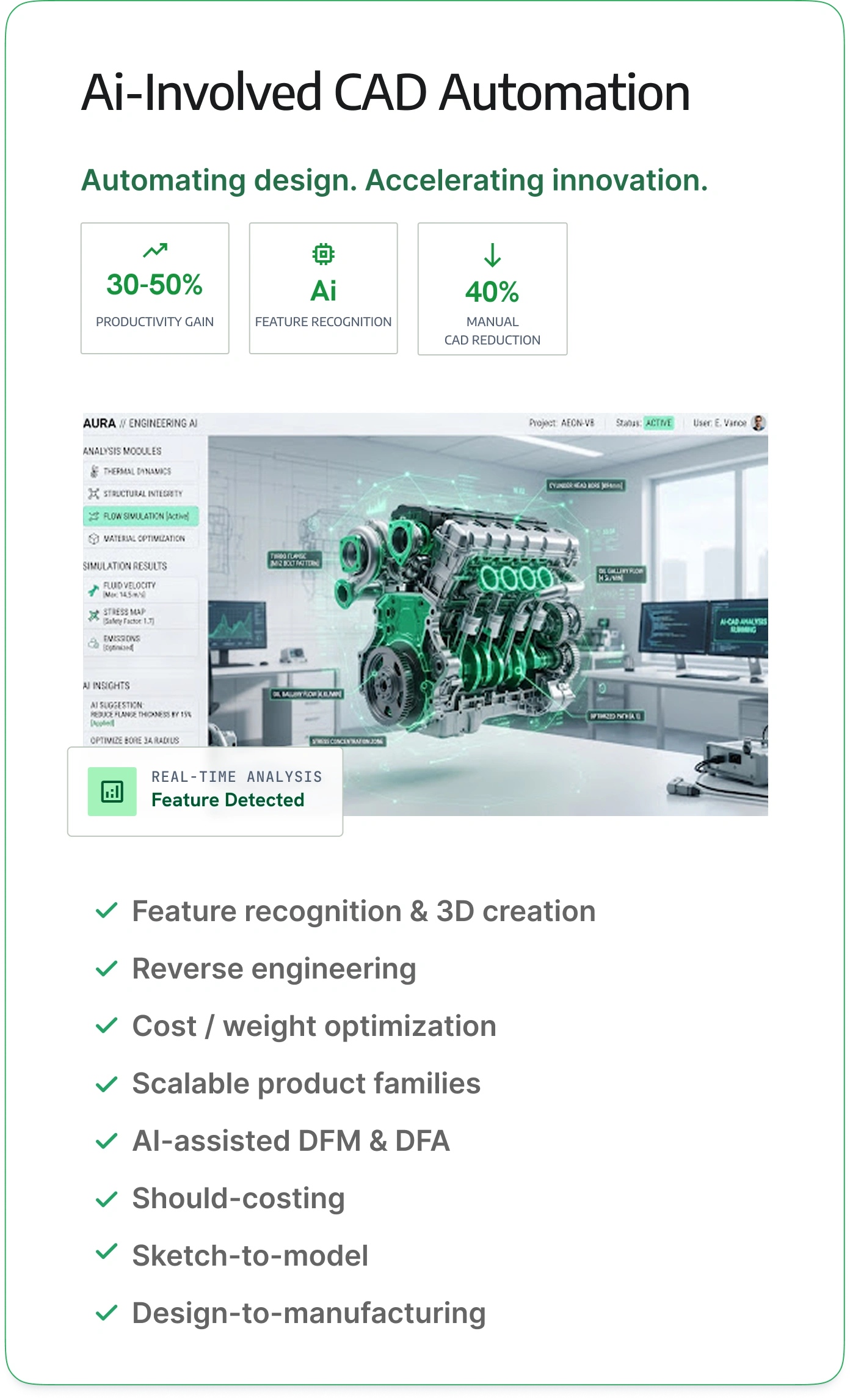
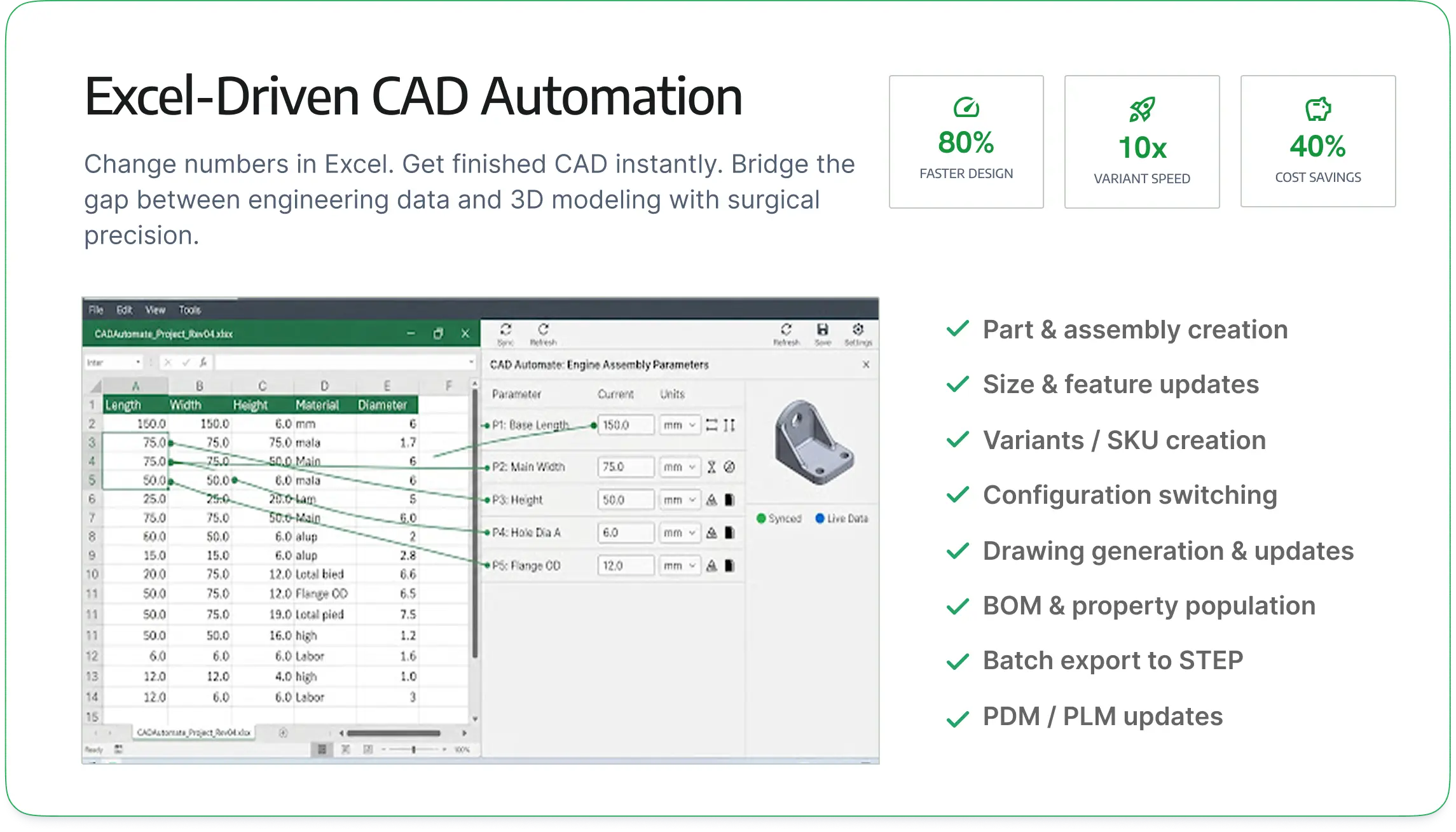
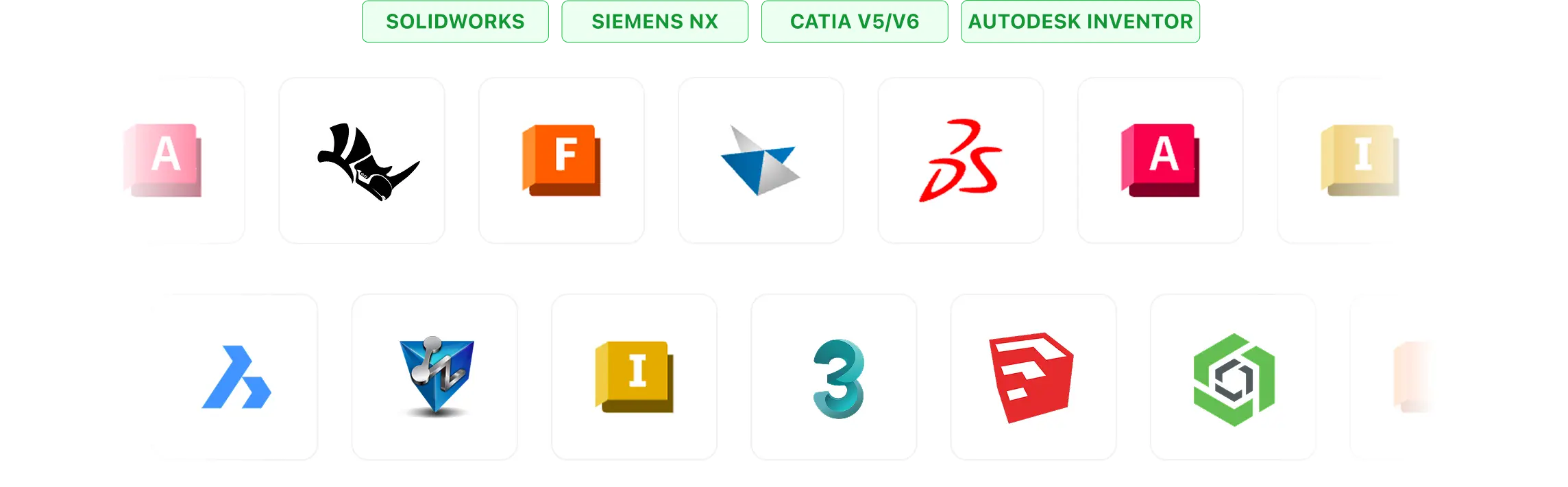
Engineering Platforms We Specialize In
Expertise across leading CAD platforms for intelligent automation and faster product development.
Advantages of CAD Automation
Empowering industries with precision engineering and innovative solutions

Time Efficiency
Automate repetitive design tasks to reduce revision timeand accelerate product development.

Accuracy and Consistency
Improve design precision and maintain consistent quality by minimizing manual errors.

Cost Savings
Reduce engineering effort and operational costs by automating routine design workflows.

Improved Teamwork
Enable seamless teamwork with standardized workflows that improve coordination and communication.
Adaptability to Change
Quickly implement design changes and respond faster to evolving project requirements.
Send Us A Message
Frequently Asked Questions
Yes. Existing CAD designs can be automated by converting them into parametric, rule-based models. This enables faster updates, automatic variant generation, drawing creation, and design modifications without rebuilding models from scratch.
Yes. CAD Automation can be fully customized to meet industry-specific requirements, workflows, design standards, and compliance needs across automotive, aerospace, industrial equipment, medical devices, and manufacturing.
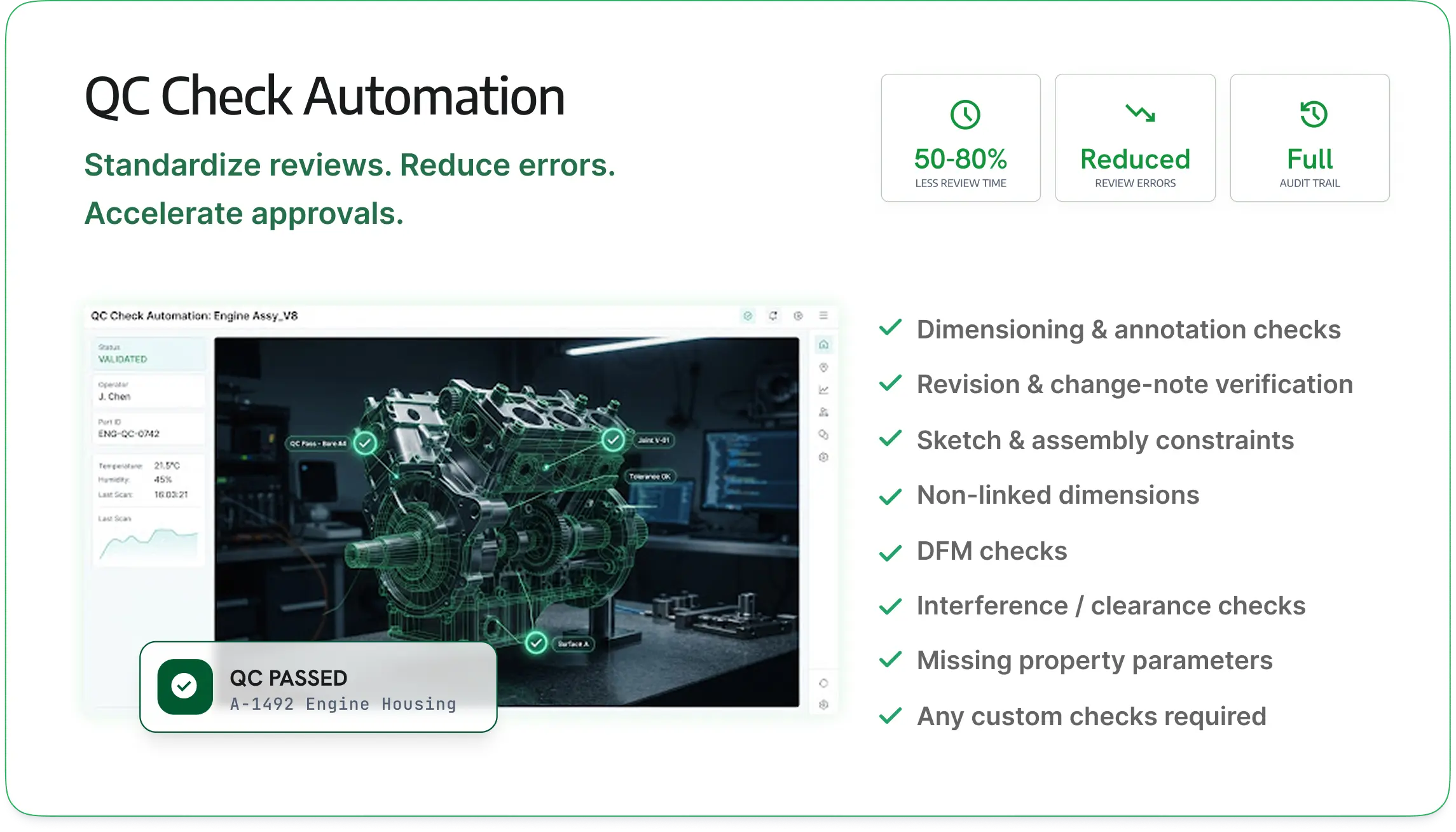
CAD Automation improves design accuracy and consistency by applying standardized rules, templates, and parameters. It minimizes manual errors, ensures compliance with design standards, and delivers reliable, repeatable engineering outputs.
The most commonly used programming languages for CAD Automation are C#, VB.NET, Python, C++, and JavaScript. These languages integrate with CAD APIs to automate modeling, drawings, assemblies, BOM generation, and engineering workflows.
CAD Automation accelerates product design by reducing manual work, minimizing errors, improving design consistency, enabling faster design iterations, and lowering engineering costs. It helps teams deliver high-quality products more efficiently.
CAD Automation uses software, APIs, and scripts to automate repetitive CAD tasks such as modeling, drawings, BOM generation, and design updates. It accelerates engineering workflows, reduces manual errors, improves design consistency, and shortens product development cycles.


