

Transform Existing Products into Better Business Opportunities
Whether you’re improving a legacy product, reducing manufacturing costs, replacing obsolete components, or preparing for new market regulations, Aktis provides comprehensive product enhancement services that increase product value while minimizing redesign effort.
Our multidisciplinary engineering team combines product analysis, digital engineering, manufacturing expertise, and simulation to identify improvement opportunities across every stage of the product lifecycle.
Engineering Innovation for Product Enhancement Engineering
Every successful product enhancement begins with understanding the existing product, identifying improvement opportunities, and developing engineering solutions that align with market demands, manufacturing capabilities, and business objectives.
Engineering Innovation for Product Enhancement Engineering
Building intelligent engineering ecosystems with cutting-edge technologies
that improve efficiency, quality, and scalability.
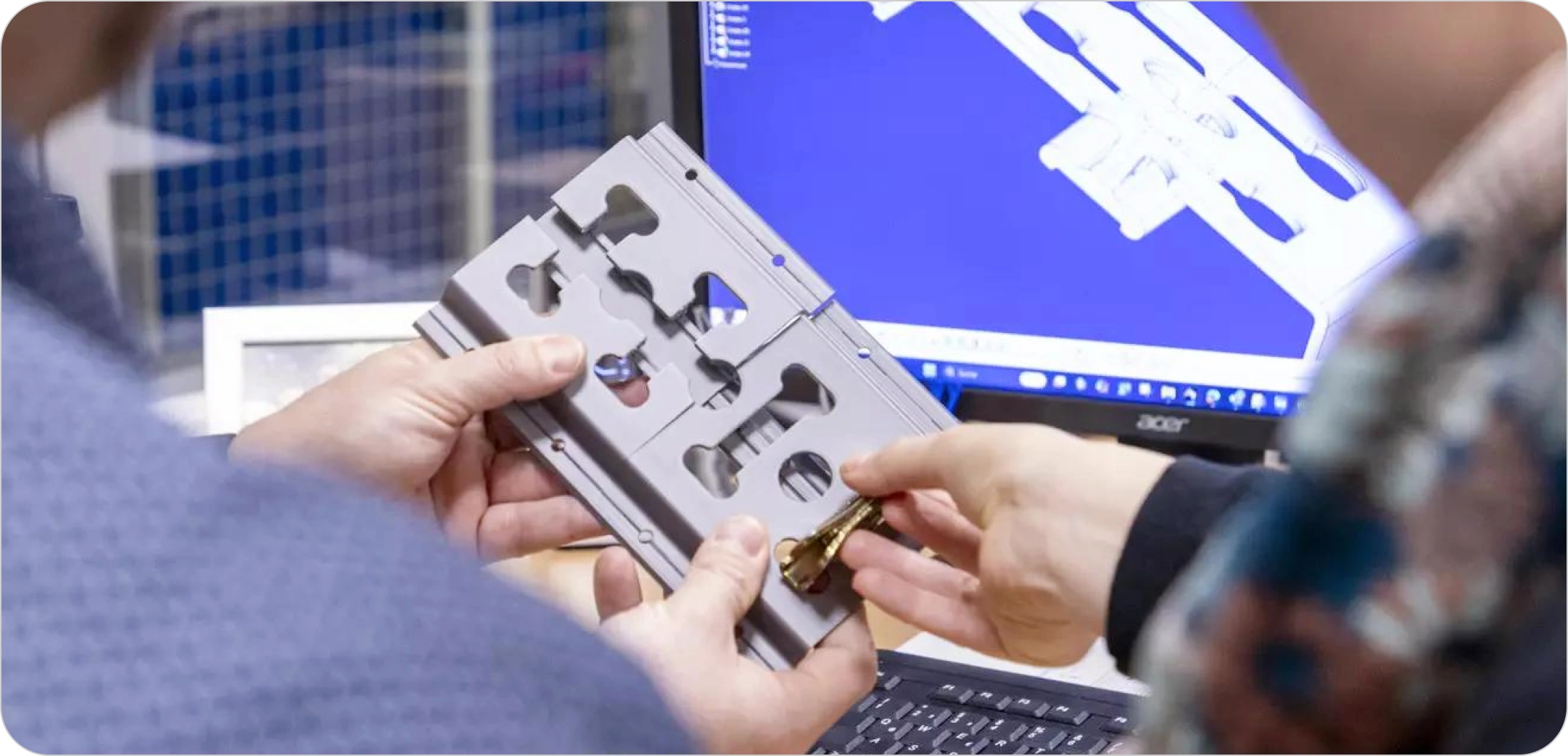
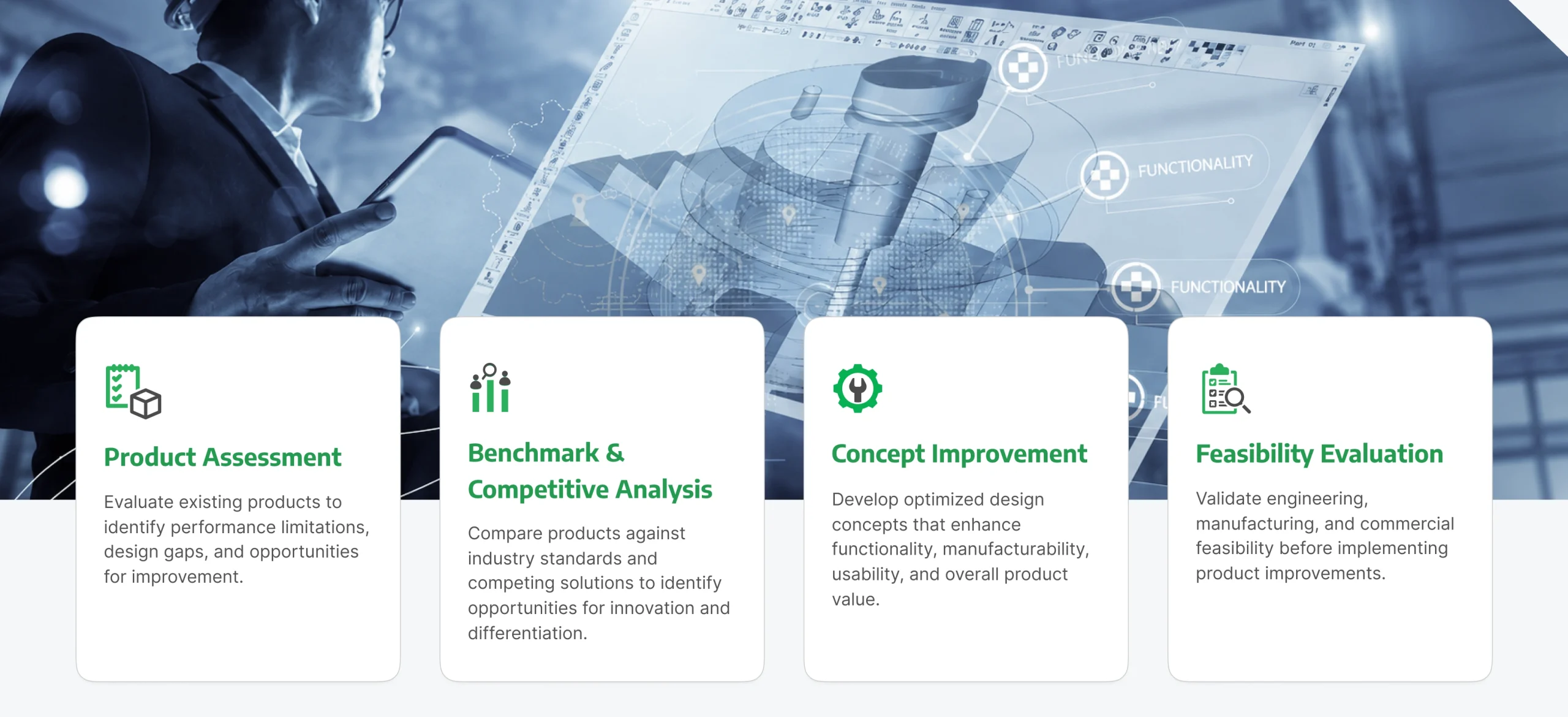
Benchmarking Studies
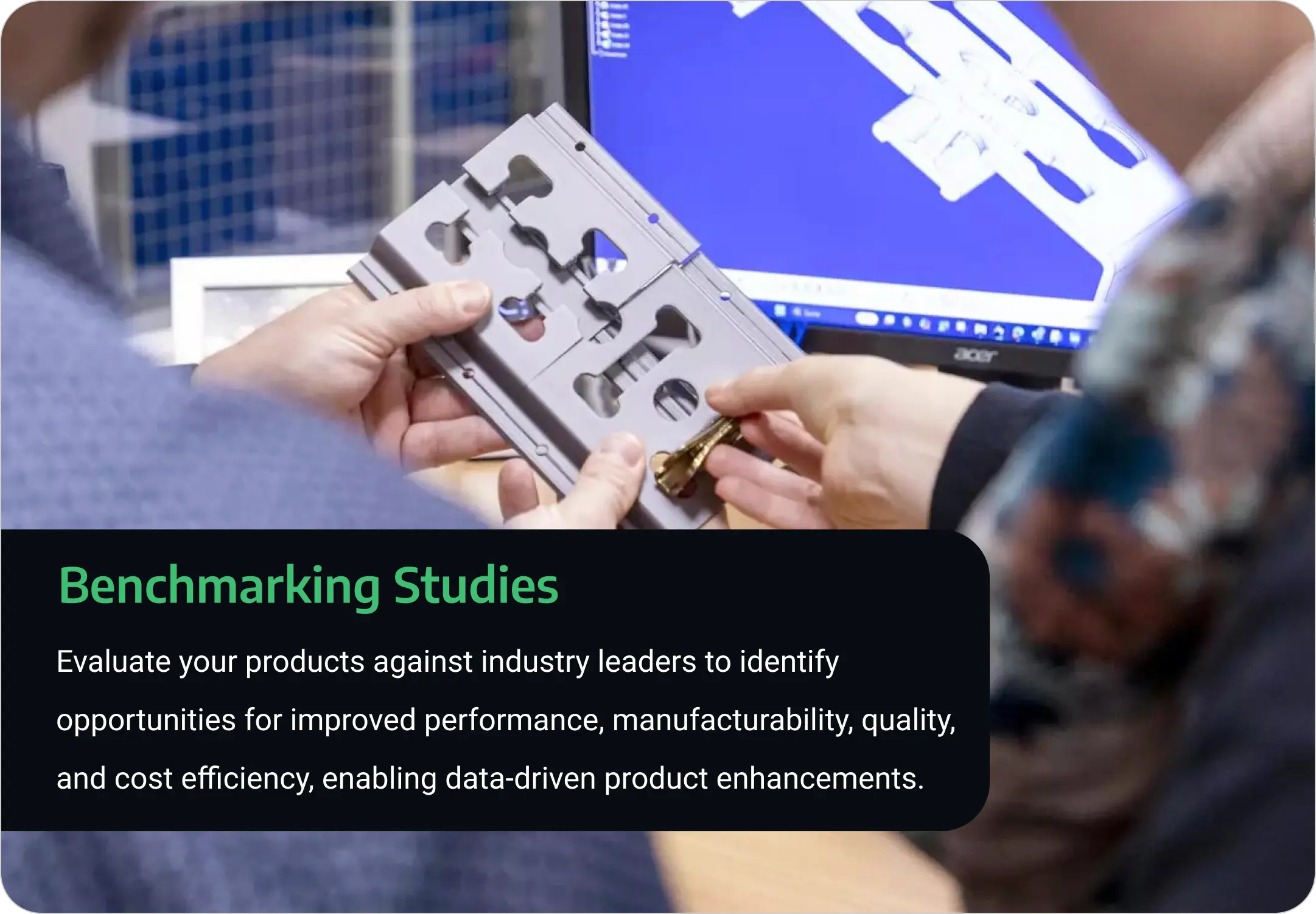
Evaluate your products against industry leaders to identify opportunities for improved performance, manufacturability, quality, and cost efficiency, enabling data-driven product enhancements.
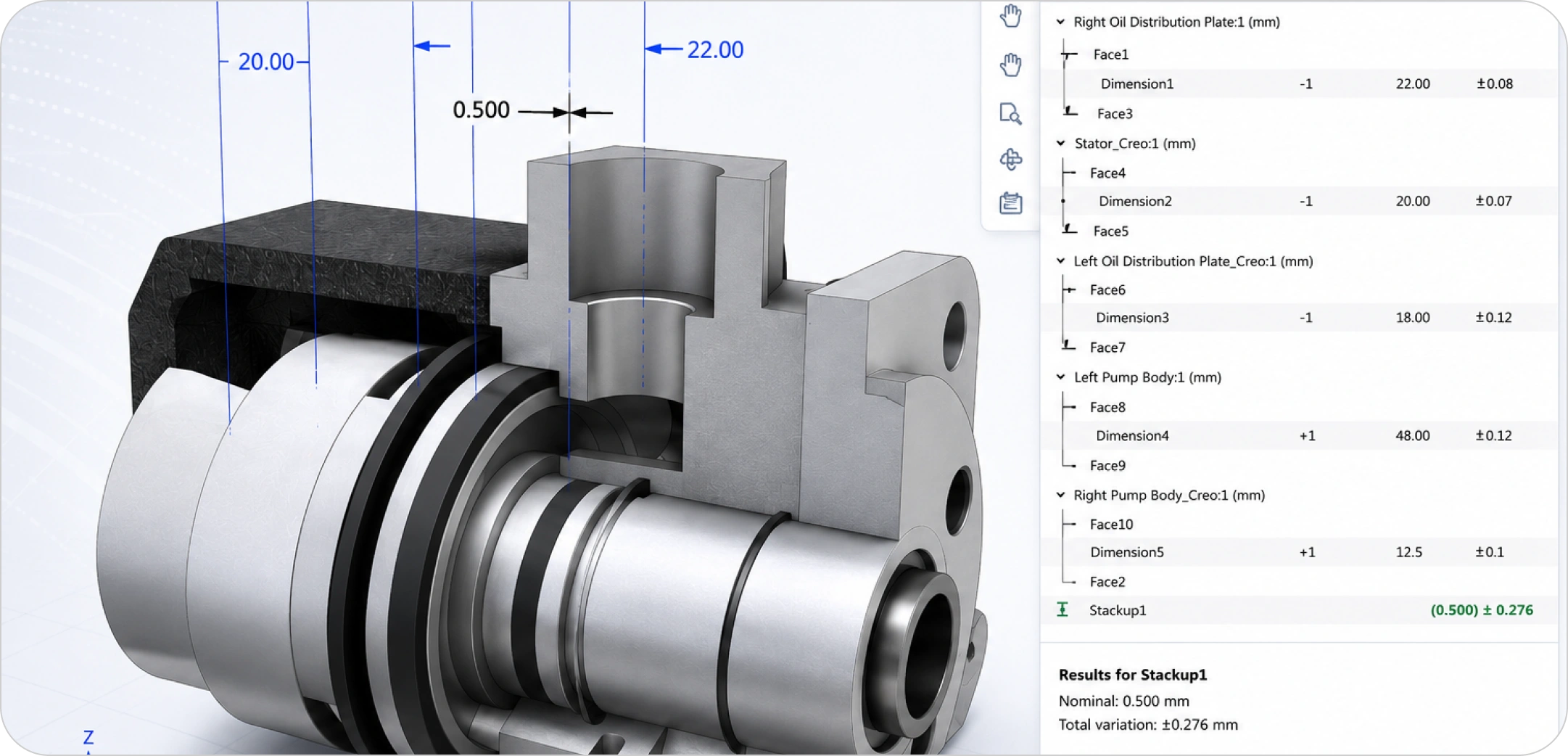
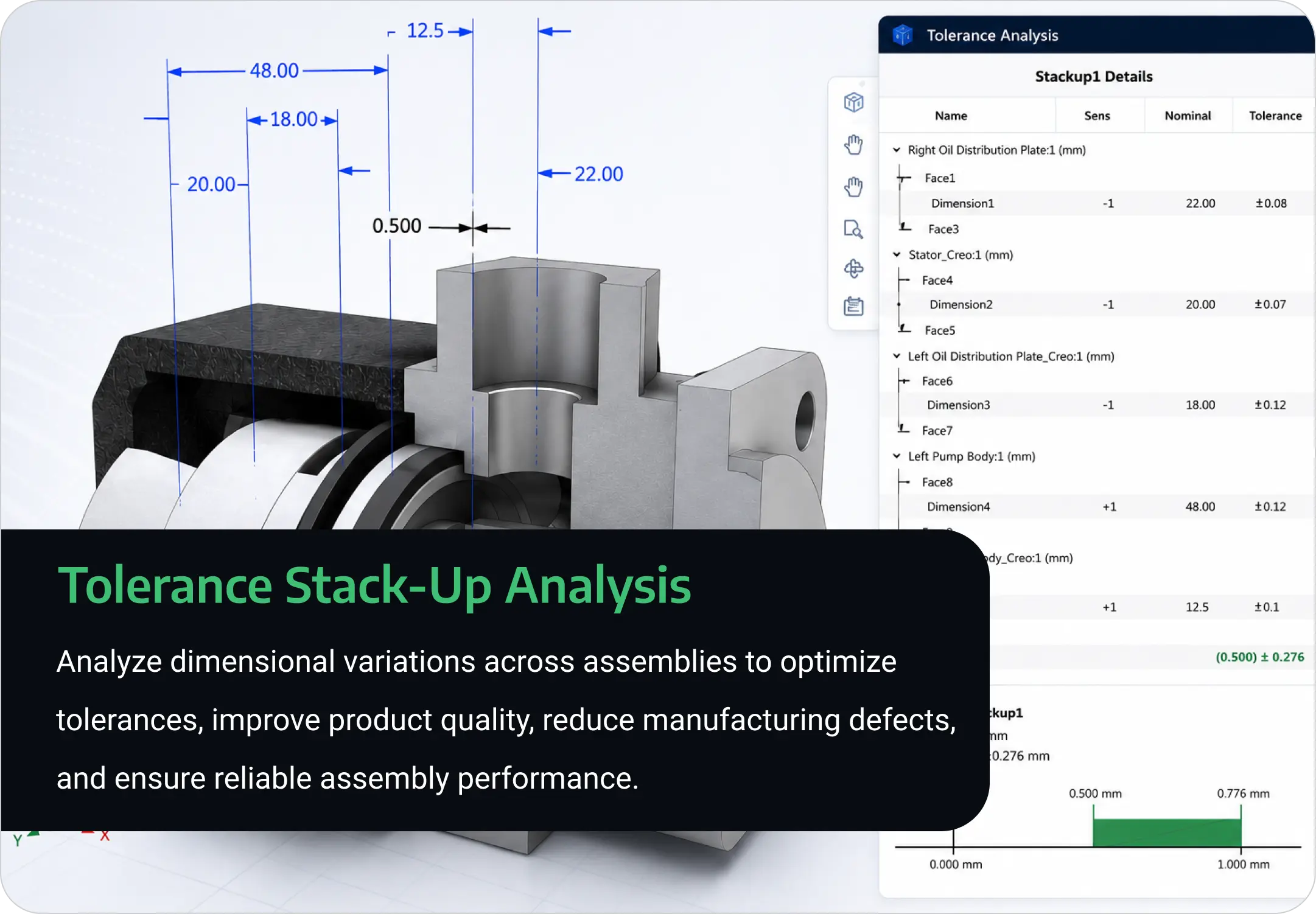
Tolerance Stack-Up Analysis
Analyze dimensional variations across assemblies to optimize tolerances, improve product quality, reduce manufacturing defects, and ensure reliable assembly performance.
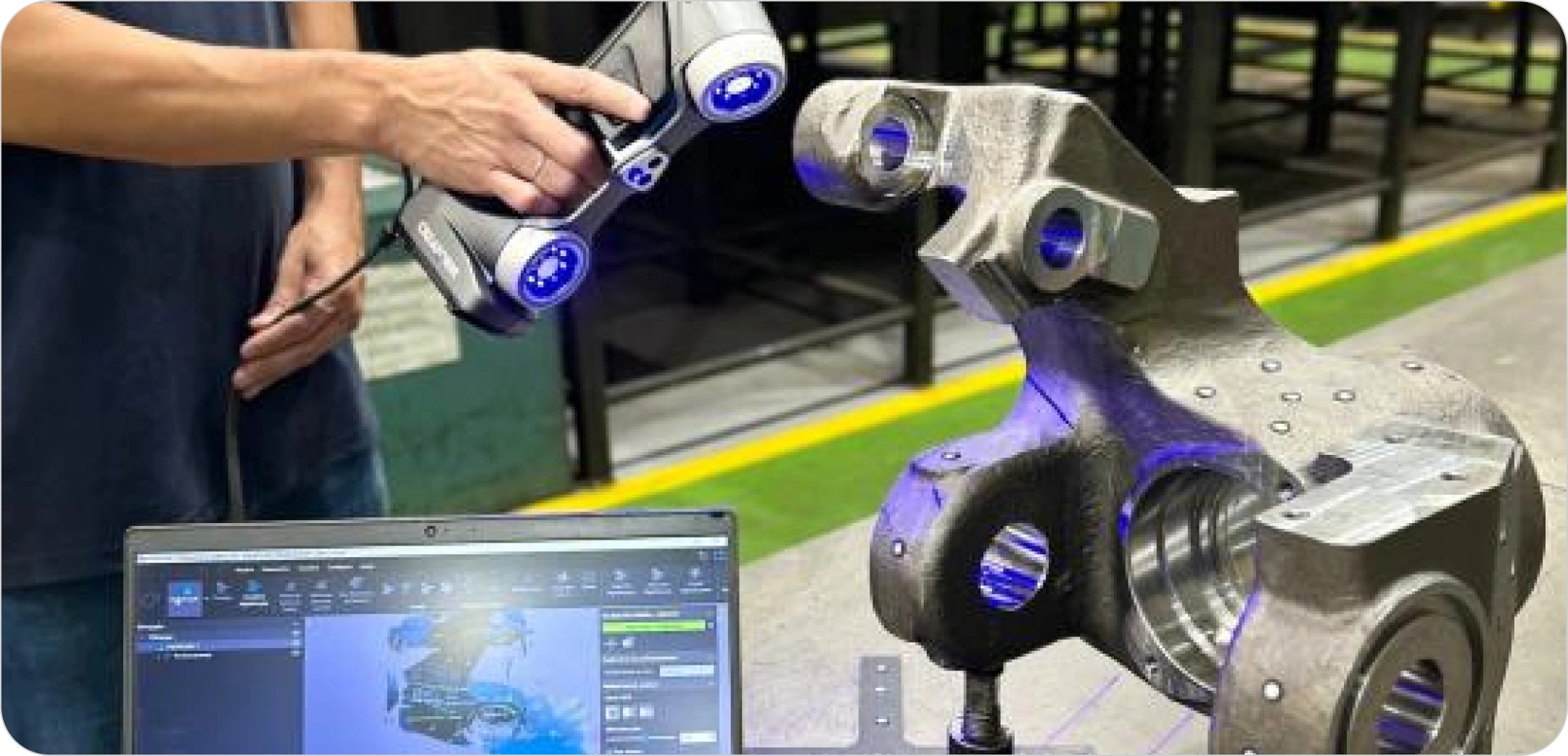
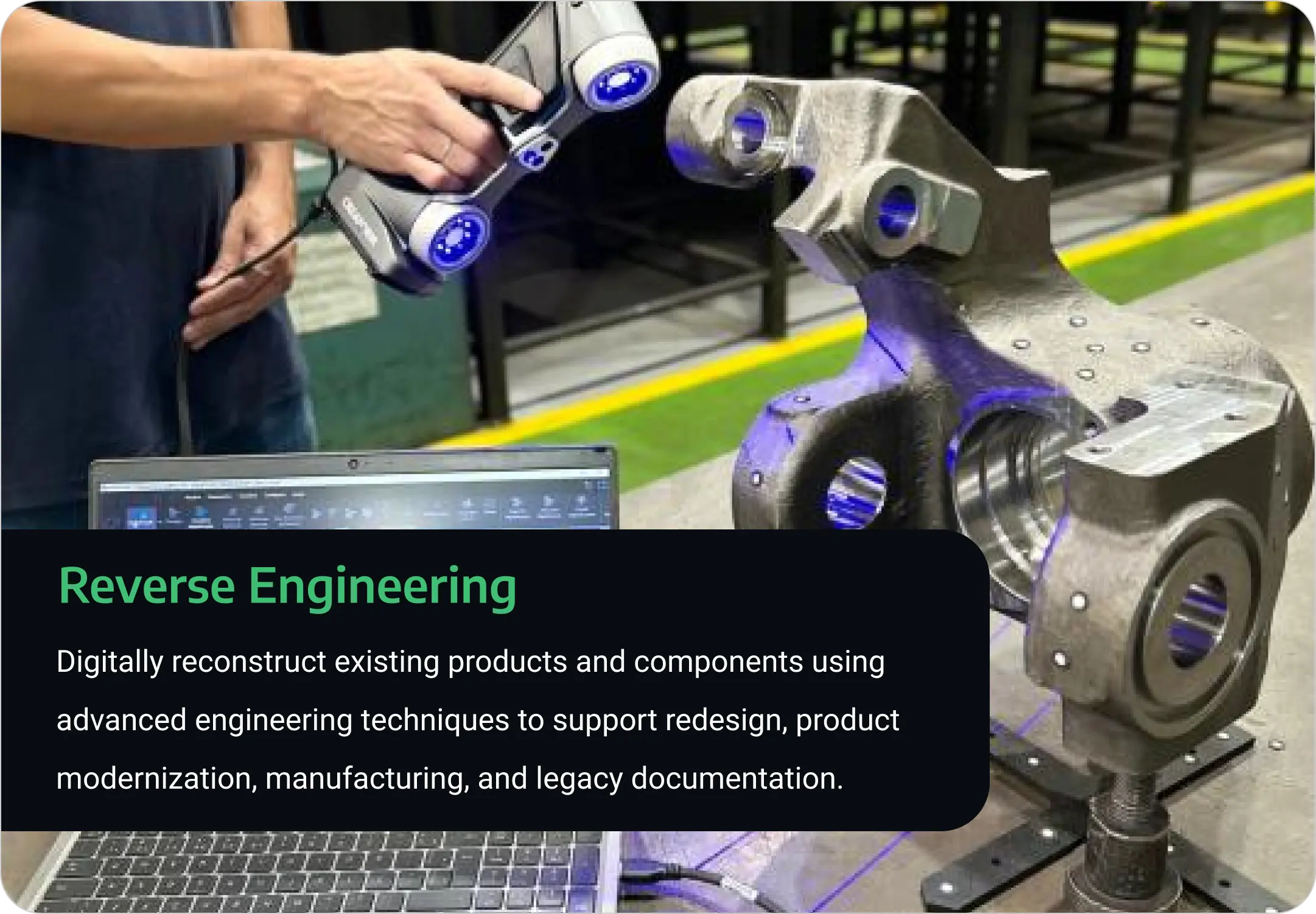
Reverse Engineering
Digitally reconstruct existing products and components using advanced engineering techniques to support redesign, product modernization, manufacturing, and legacy documentation.
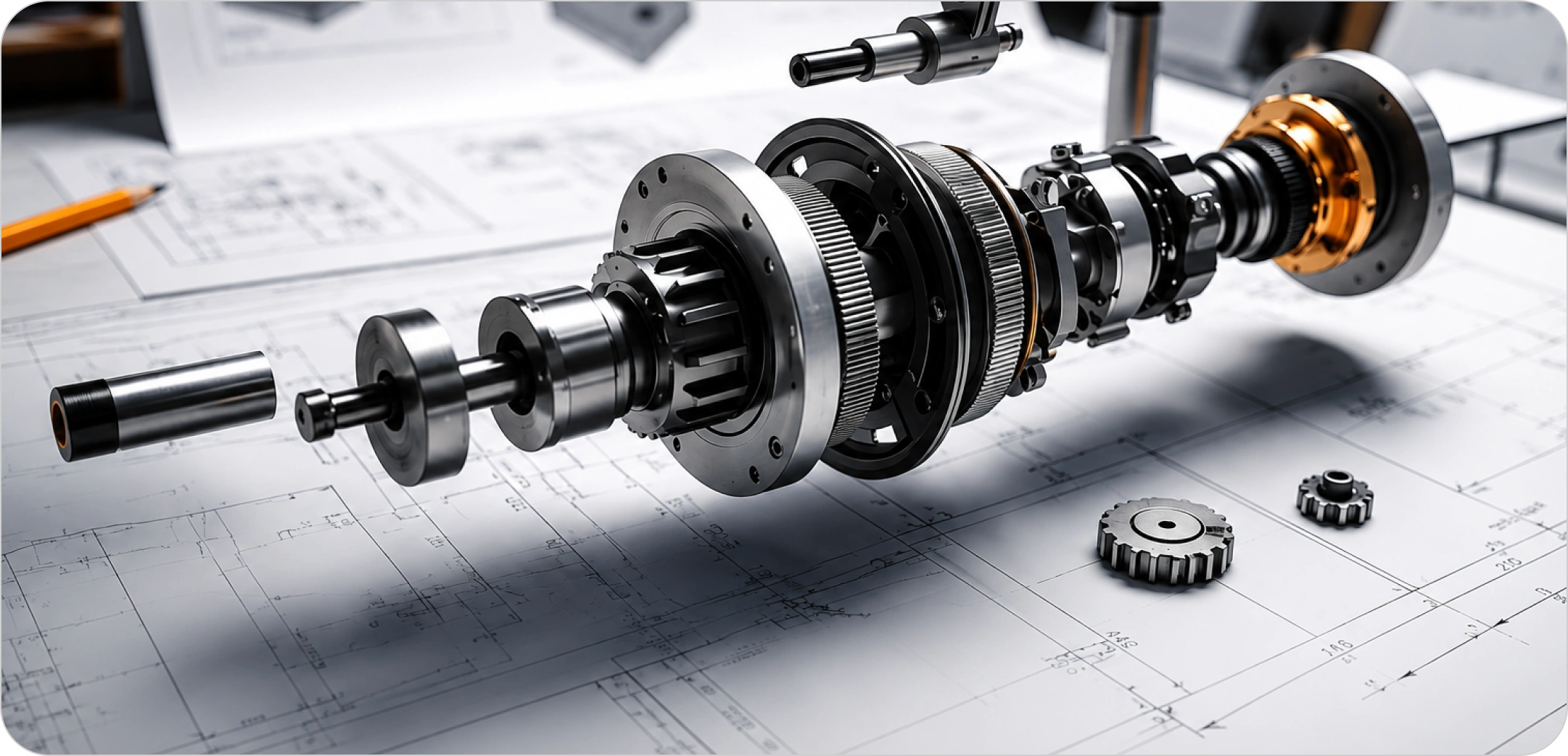
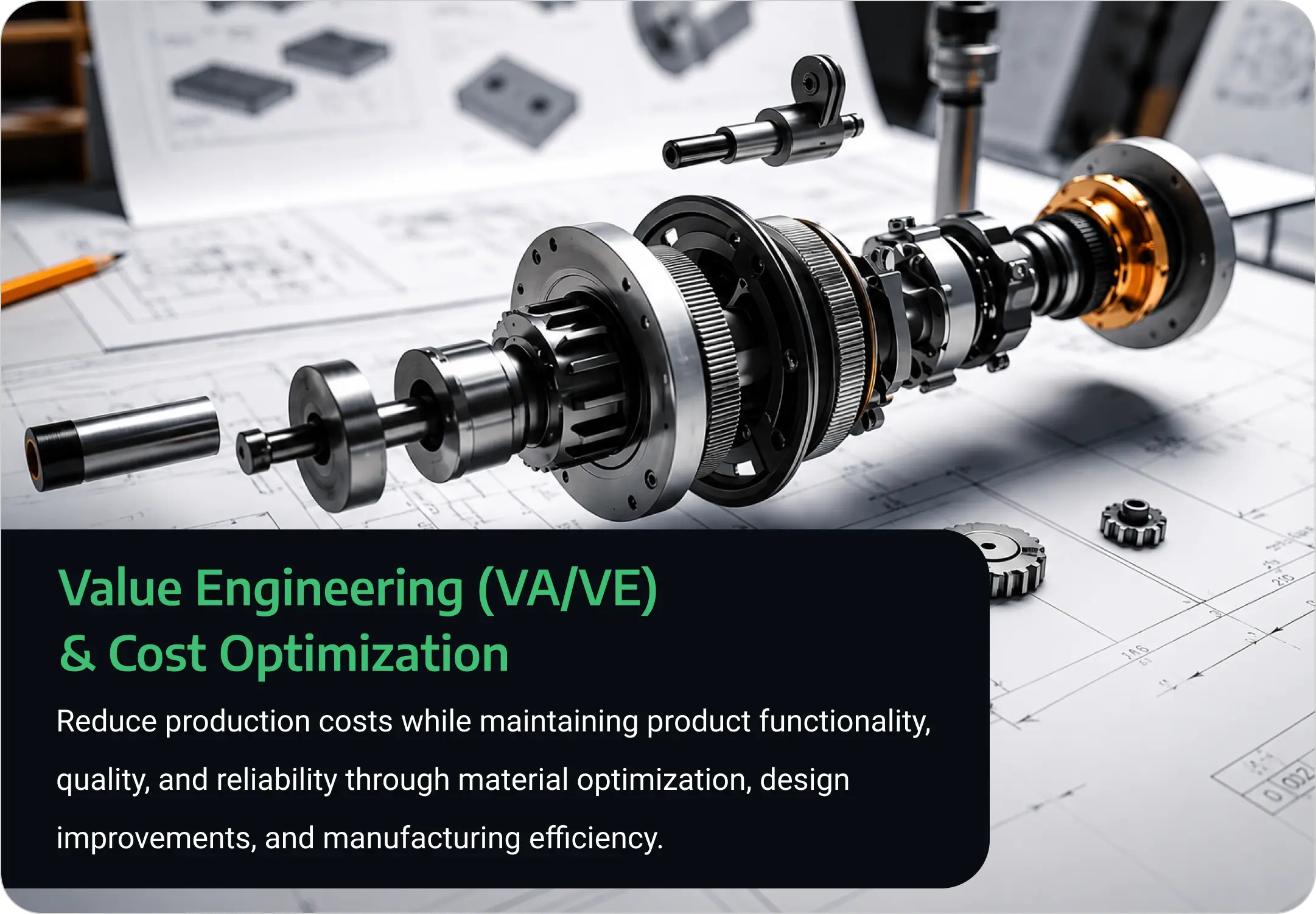
Value Engineering (VA/VE) & Cost Optimization
Reduce production costs while maintaining product functionality, quality, and reliability through material optimization, design improvements, and manufacturing efficiency.
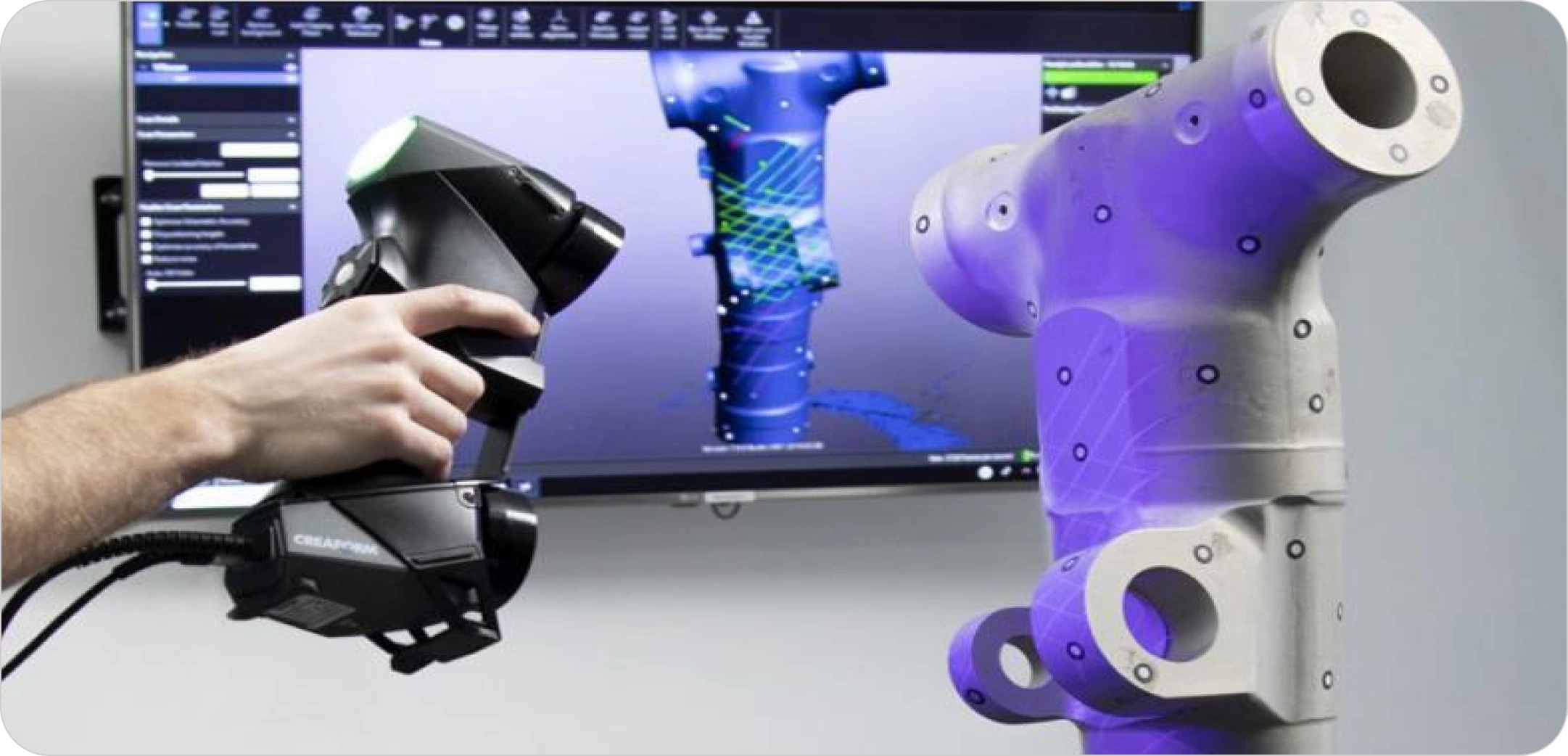
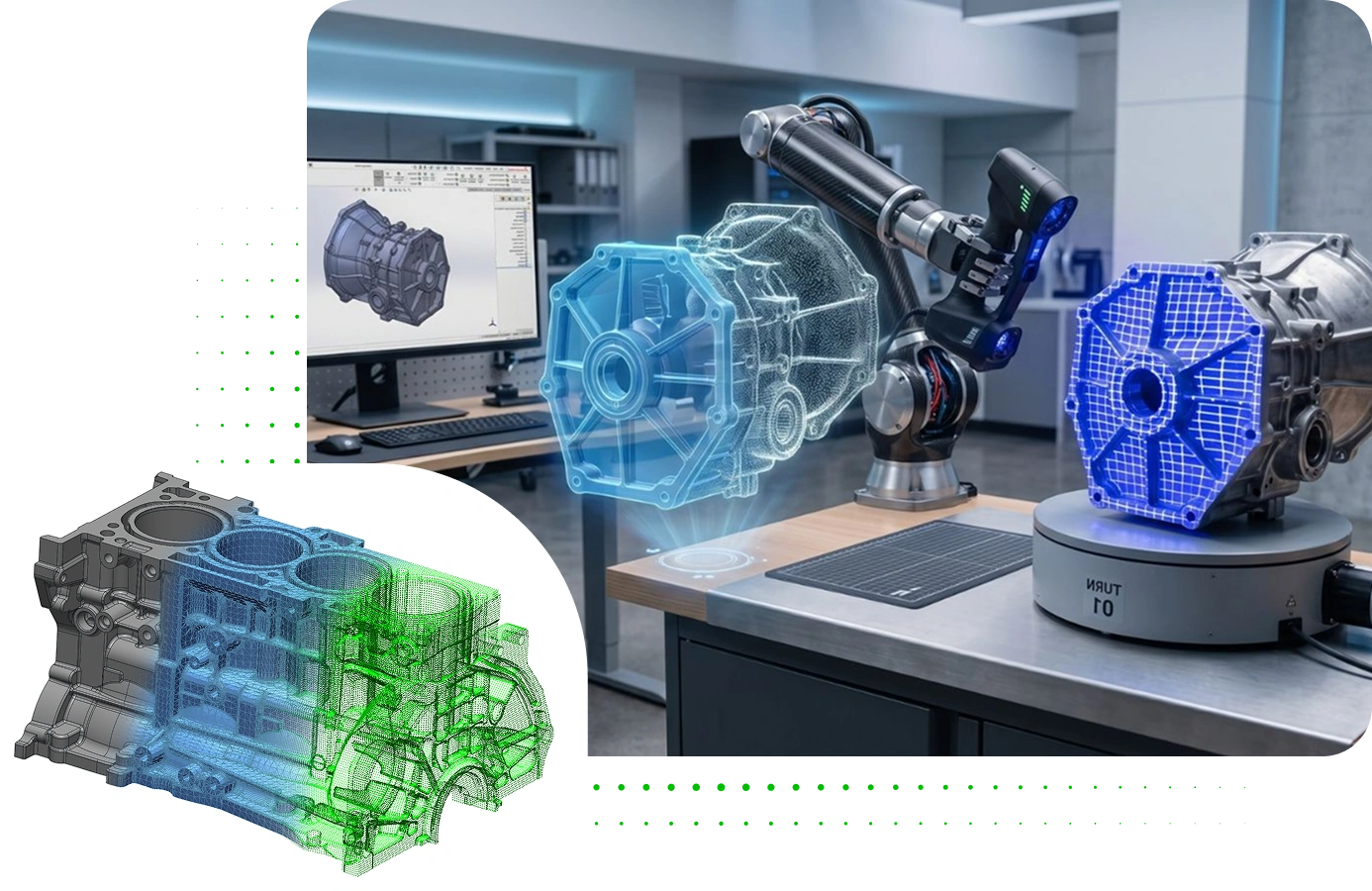
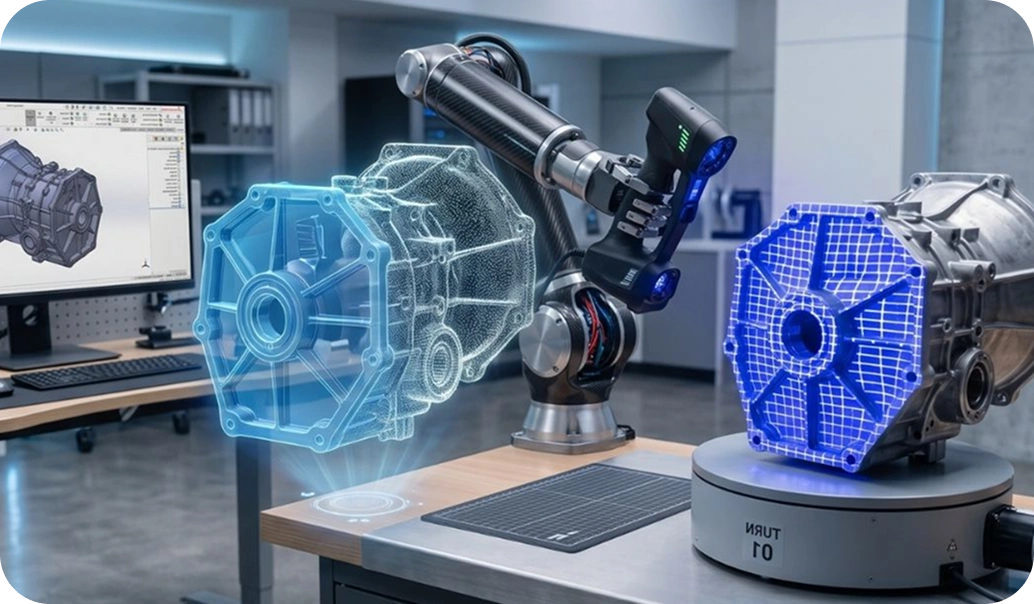
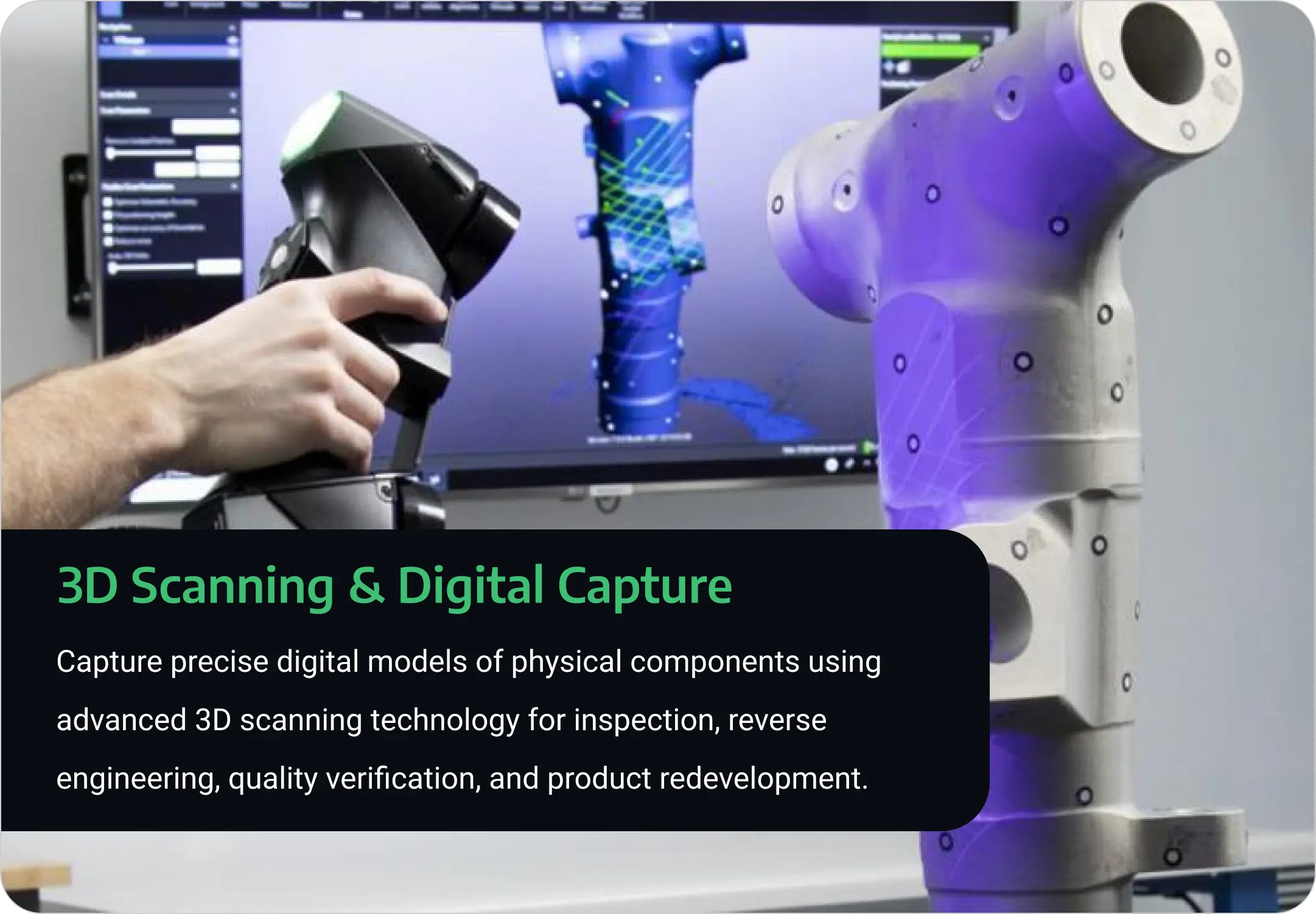
3D Scanning & Digital Capture
Capture precise digital models of physical components using advanced 3D scanning technology for inspection, reverse engineering, quality verification, and product redevelopment.
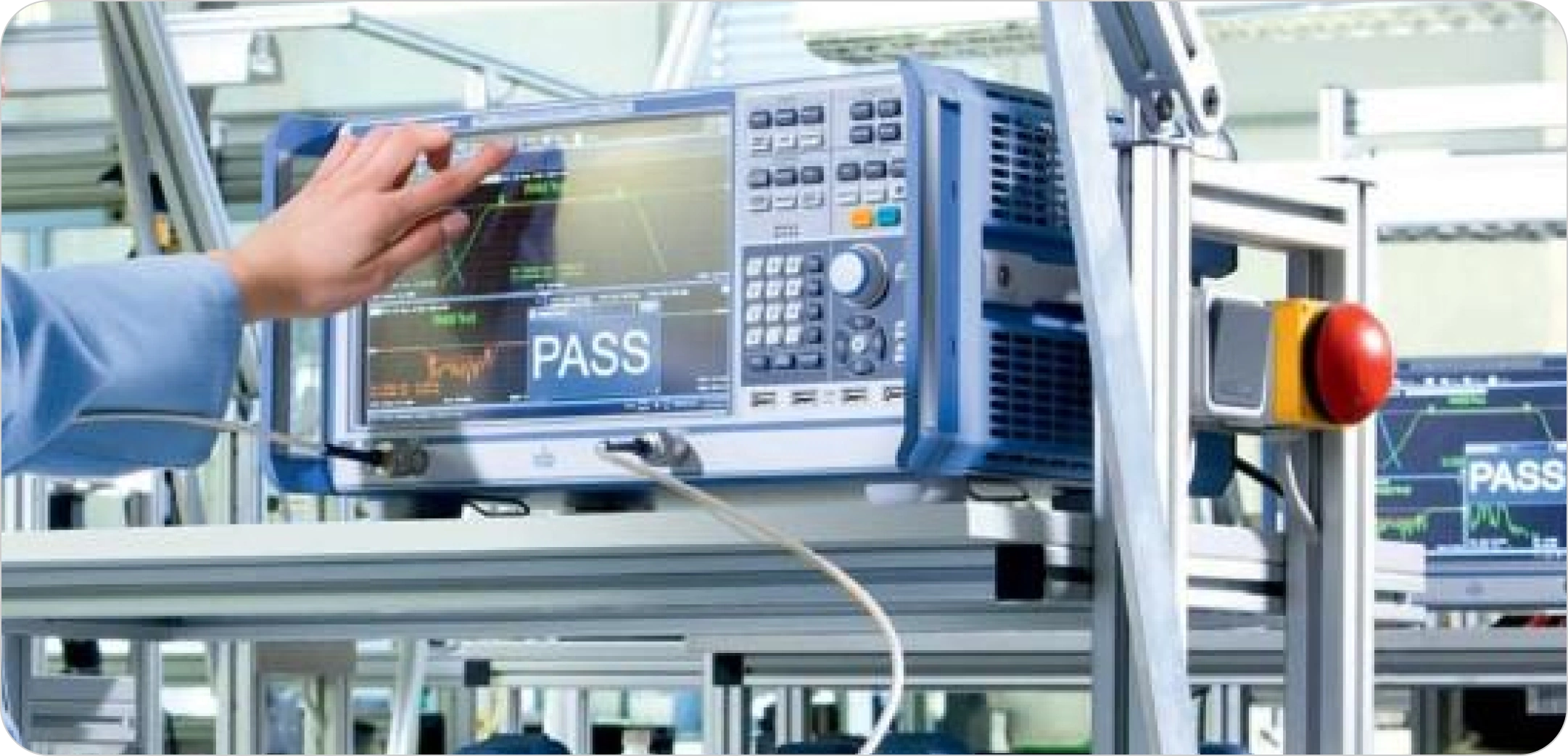
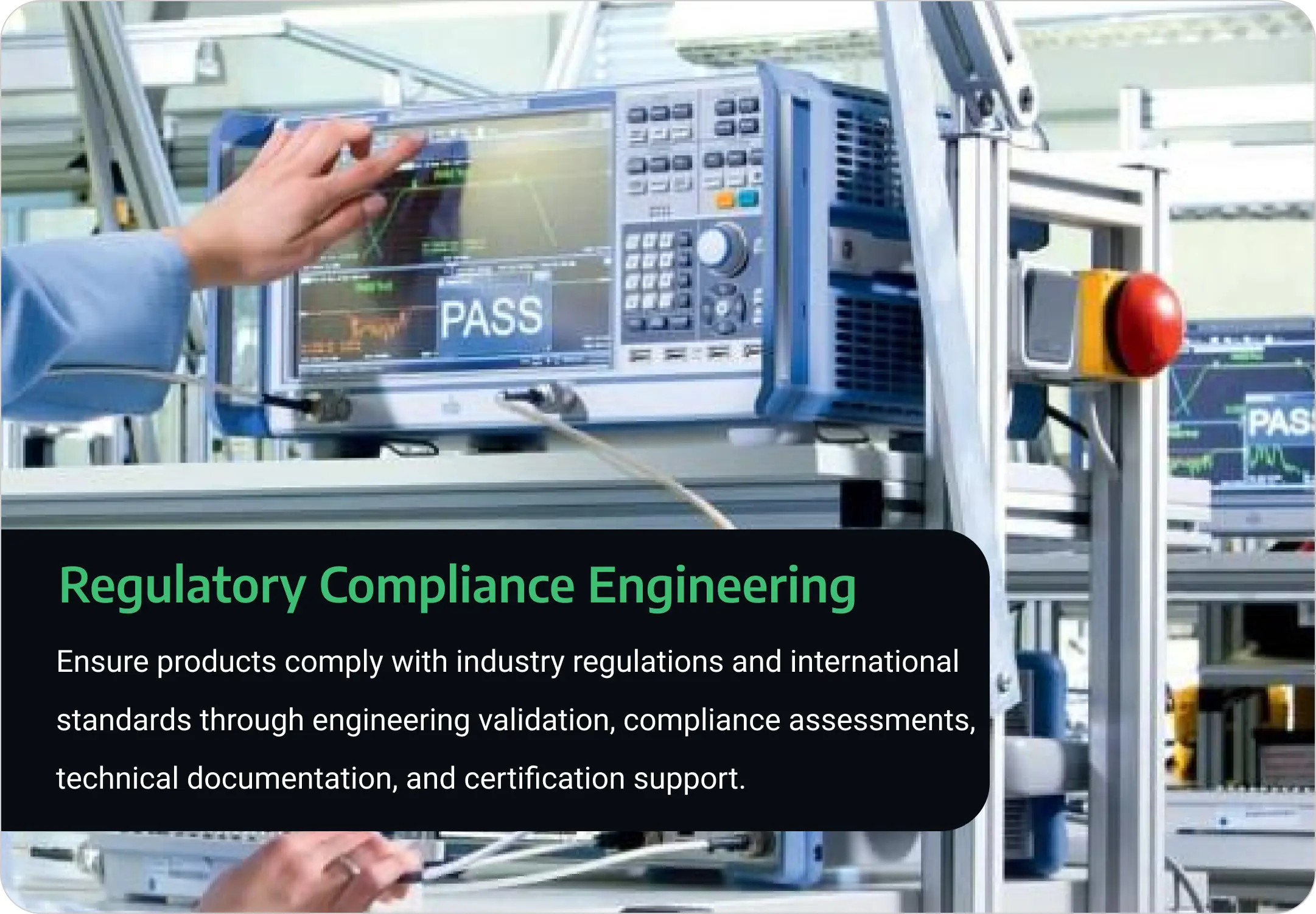
Regulatory Compliance Engineering
Ensure products comply with industry regulations and international standards through engineering validation, compliance assessments, technical documentation, and certification support.
Digital Product Analysis & Validation
Digital Product Analysis & Validation
Leverage advanced digital engineering technologies to accurately capture, analyze, validate,
and optimize existing products before redesign or manufacturing.
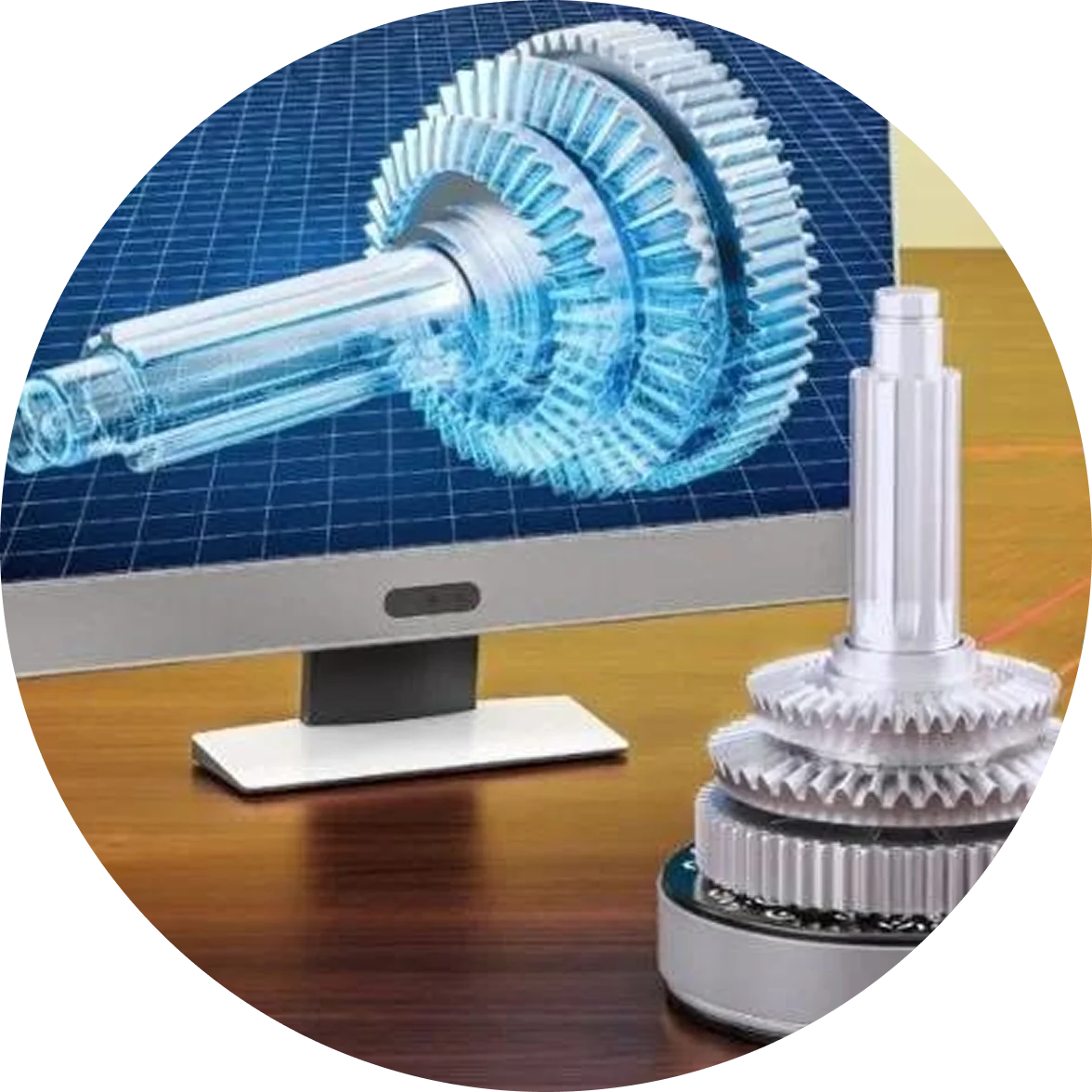
High-Precision 3D Scanning
Capture complex product geometries with engineering-grade accuracy for redesign, inspection, and digital documentation.
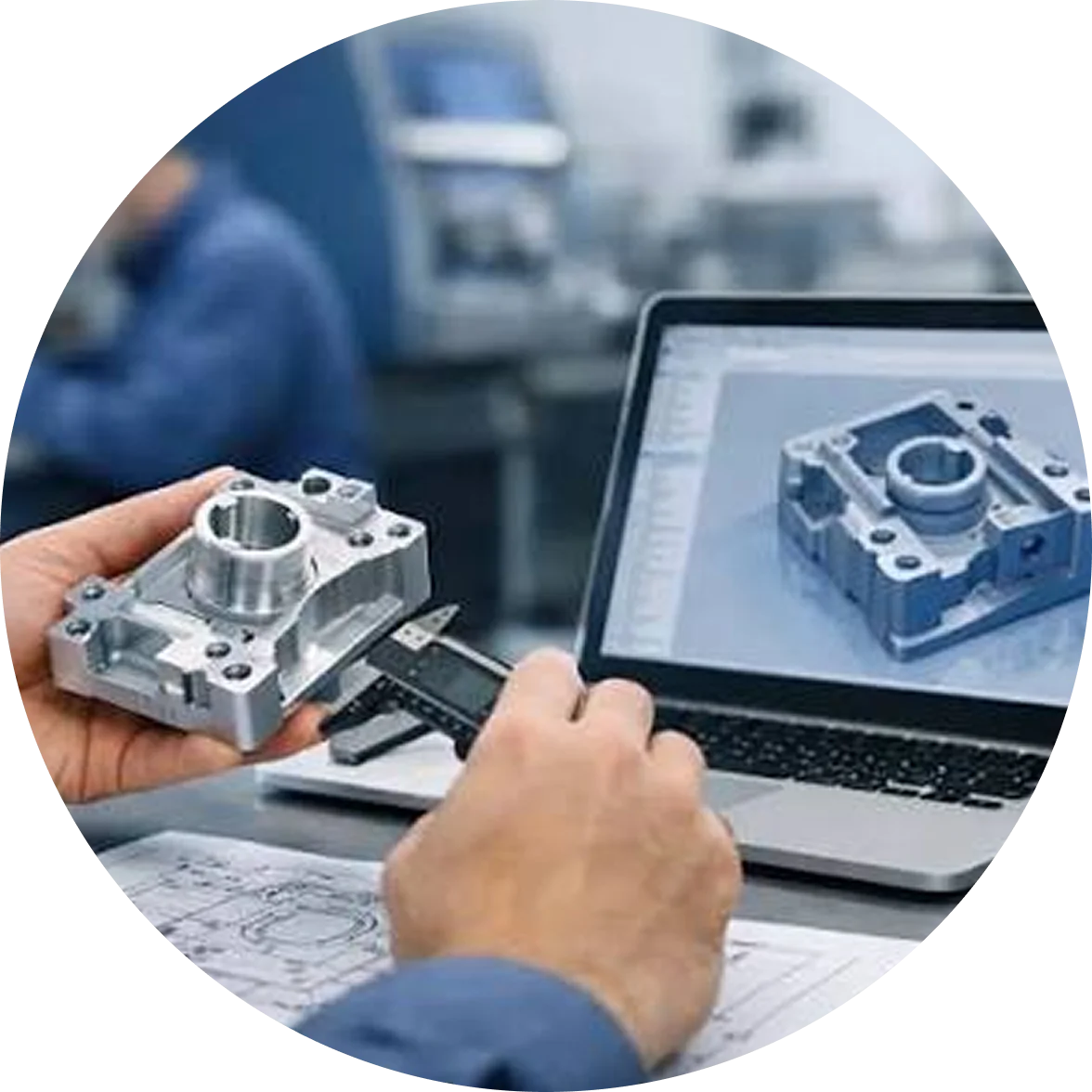
CAD Reconstruction
Convert scanned data into editable CAD models to support redesign, modernization, and manufacturing.
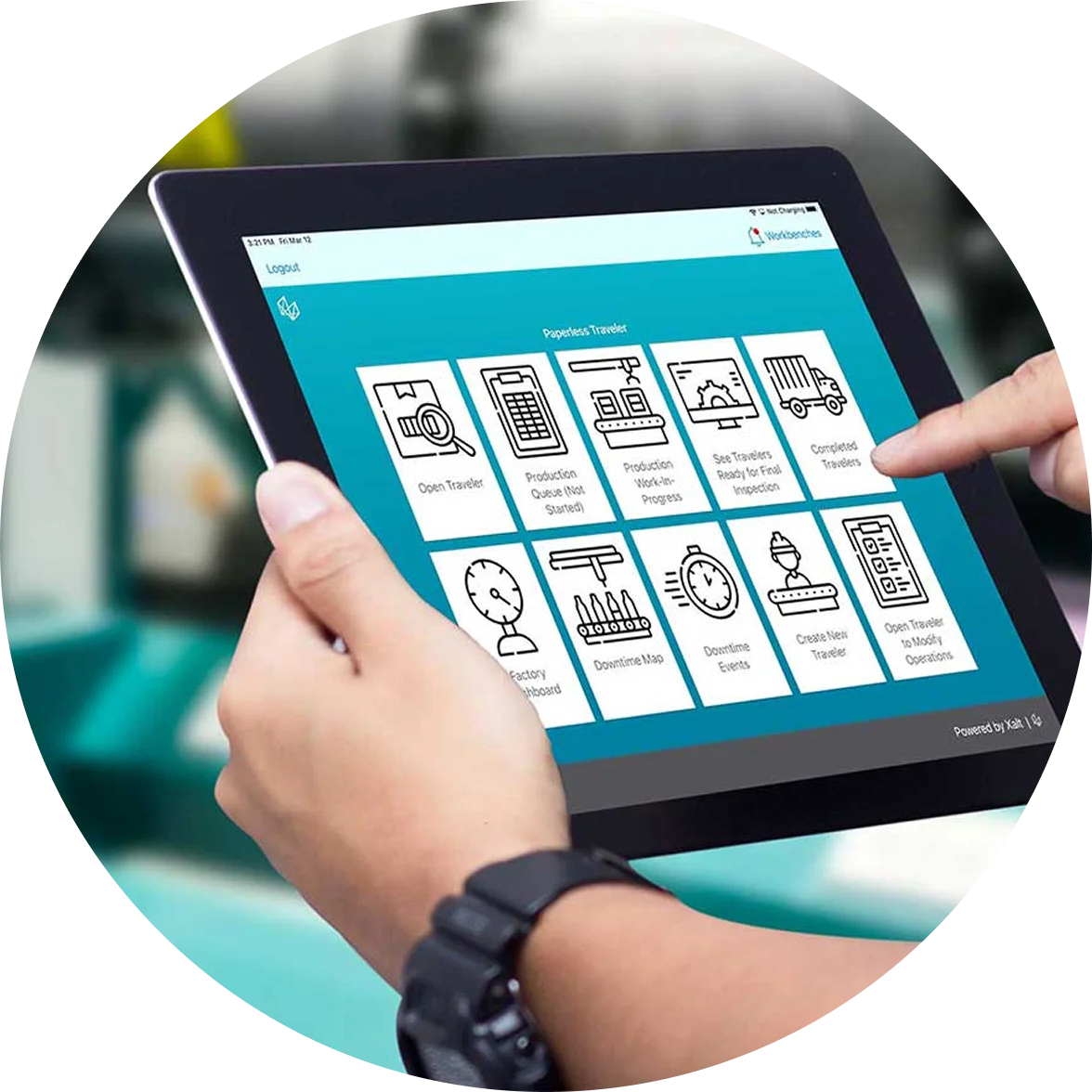
Digital Inspection
Compare scanned components with CAD models to identify dimensional deviations, wear, and manufacturing variations.
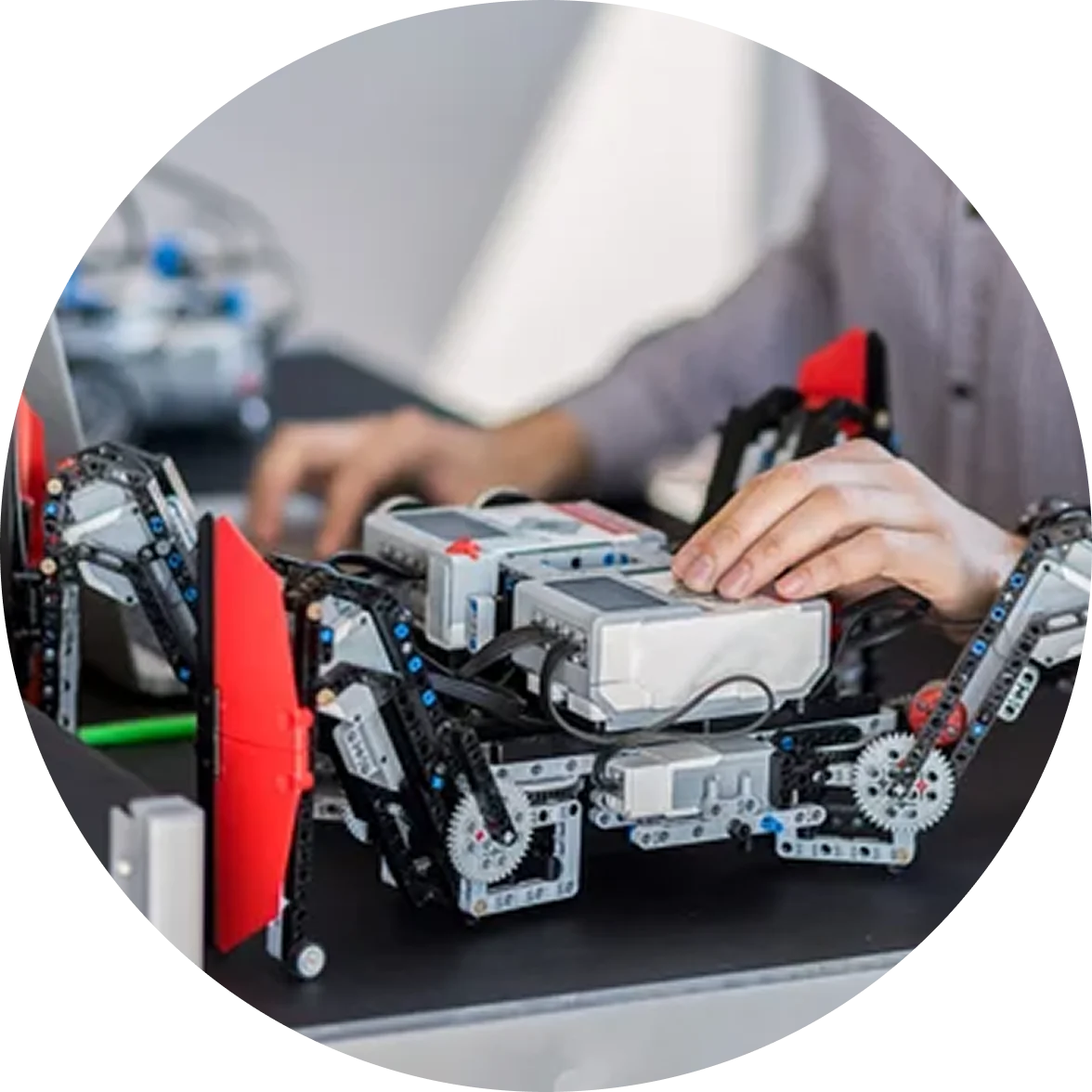
Engineering Validation
Validate product improvements through dimensional verification, tolerance analysis, and quality assessment before production.
High-Precision 3D Scanning
Capture complex product geometries with engineering-grade accuracy for redesign, inspection, and digital documentation.
CAD Reconstruction
Convert scanned data into editable CAD models to support redesign, modernization, and manufacturing.
Digital Inspection
Compare scanned components with CAD models to identify dimensional deviations, wear, and manufacturing variations.
Engineering Validation
Validate product improvements through dimensional verification, tolerance analysis, and quality assessment before production.
From Product Evaluation to Optimized Manufacturing
We deliver secure, scalable, and future-ready AI-enabled solutions through a proven,
end-to-end service delivery framework.
Product Evaluation to Optimized Manufacturing

Discovery & Product Assessment
Understand product objectives, business challenges, and improvement opportunities.

Engineering Analysis
Evaluate design, manufacturing feasibility, cost, quality, and compliance.

Enhancement Strategy
Develop optimization recommendations backed by engineering analysis.

Validation & Optimization
Verify improvements using CAD, CAE, simulation, and prototype testing.

Manufacturing Readiness
Prepare production-ready engineering documentation and support implementation.

Discovery & Product Assessment
Understand product objectives, business challenges, and improvement opportunities.

Engineering Analysis
Evaluate design, manufacturing feasibility, cost, quality, and compliance.

Enhancement Strategy
Develop optimization recommendations backed by engineering analysis.

Validation & Optimization
Verify improvements using CAD, CAE, simulation, and prototype testing.

Manufacturing Readiness
Prepare production-ready engineering documentation and support implementation.
Send Us A Message
Frequently Asked Questions
Yes. Aktis helps manufacturers modernize legacy products through reverse engineering, CAD reconstruction, design optimization, material improvements, and manufacturing process enhancements while preserving original functionality.
Value Engineering (VA/VE) is a structured engineering approach that reduces product costs by optimizing materials, manufacturing methods, and component designs without compromising functionality, reliability, or performance.
Benchmarking compares your product against industry competitors to identify opportunities for improving performance, materials, manufacturability, features, quality, and production costs, enabling data-driven product optimization.
Reverse Engineering digitally recreates existing products or components using advanced 3D scanning and CAD reconstruction. It is commonly used for legacy product redesign, spare part development, product modernization, and engineering documentation.
Engineering-driven product enhancement identifies opportunities to optimize materials, simplify designs, improve manufacturing processes, consolidate components, and eliminate unnecessary costs while maintaining product functionality and quality.
Yes. Aktis helps manufacturers modernize legacy products through reverse engineering, CAD reconstruction, design optimization, material improvements, and manufacturing process enhancements while preserving original functionality.
Value Engineering (VA/VE) is a structured engineering approach that reduces product costs by optimizing materials, manufacturing methods, and component designs without compromising functionality, reliability, or performance.
Benchmarking compares your product against industry competitors to identify opportunities for improving performance, materials, manufacturability, features, quality, and production costs, enabling data-driven product optimization.
Reverse Engineering digitally recreates existing products or components using advanced 3D scanning and CAD reconstruction. It is commonly used for legacy product redesign, spare part development, product modernization, and engineering documentation.
Engineering-driven product enhancement identifies opportunities to optimize materials, simplify designs, improve manufacturing processes, consolidate components, and eliminate unnecessary costs while maintaining product functionality and quality.


